Infrastructure●●Solid
Sencho: a multi-node Docker-compose manager
Portainer alternative keeping compose files on disk with outbound-only agent connectivity.
Solve My ProblemShip It
ansocode
105d ago
A centralized, multi-engine database migration control plane
GitHub integration fetches migrations without CI/CD job overhead.
Backend developers and DevOps engineers managing multiple database environments
Flyway · Liquibase · Sqitch
The standard way to handle migrations—running them automatically when the application starts—works perfectly until one day, it doesn't. You might have a migration fail halfway through, or a lock-contention issue that takes down your entire production environment before you even realize what happened.
I realized I needed a centralized "Control Plane"—a place where I could see all my databases (SQLite, Postgres, MySQL) and their migration history in one dashboard. I also wanted to fetch migration files directly from GitHub/GitLab without the overhead of project-specific CI/CD jobs.
So I built it myself.
What it does:
Centralized management for all your databases from one UI. Native SCM integration to securely fetch migration files via tokens. Framework-agnostic (works for any stack). Everything is self-hosted
Portainer alternative keeping compose files on disk with outbound-only agent connectivity.
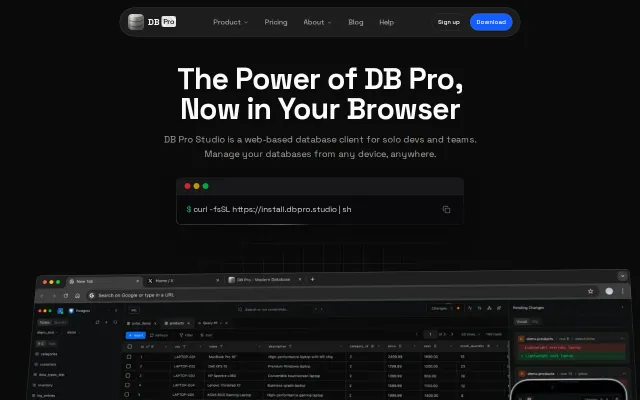
Runs in the browser, ships as a Docker image, and emphasizes shared connections, collaborative queries and dashboards — nice for teams that want DB access without handing out credentials. The UI in the screenshot looks thoughtful (mobile-ready panels, query editor, change diffs), but the product sits in a crowded niche; the site should call out concrete differentiators like RBAC, audit logging, connection pooling or performance to justify switching from existing tools.
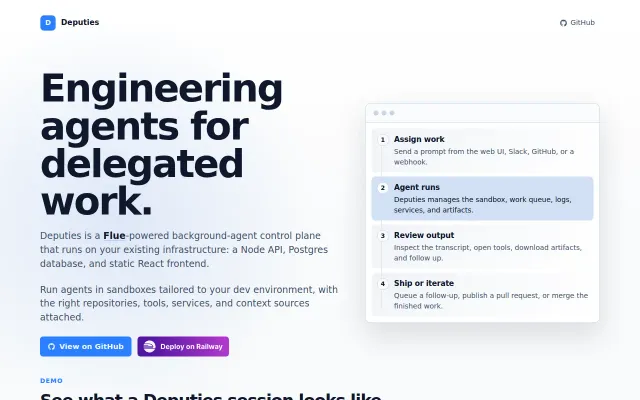
Firecracker microVMs isolate coding agents so you can review before merging.
Self-hosted alternative to Stripe Minions for teams avoiding cloud-only agents.
Wake gate uses CPU/GPU quiet-window telemetry to prove runs actually finished.
Cassandra schema migration tool addressing real AstraDB pain—but Flyway, Liquibase, and raw CQL dominate.