AI/ML●Mid
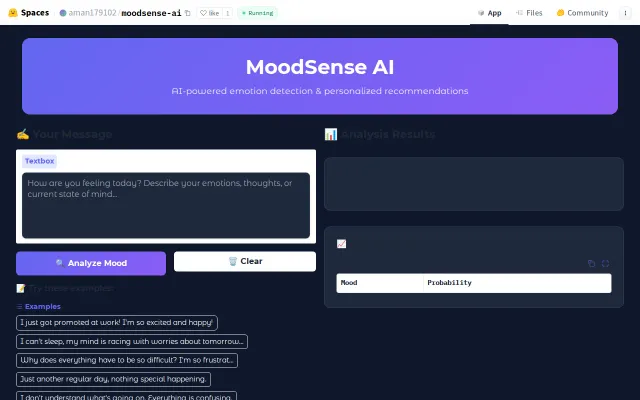
MoodSense AI – mood detection and recommendations from text
Text sentiment analysis when IBM Watson and Google NLP already dominate this space.
Ship It
aman179102
203mo ago
Text sentiment analysis when IBM Watson and Google NLP already dominate this space.
Developers learning NLP, hobbyists building mood tracking apps
IBM Watson Tone Analyzer · Google Cloud Natural Language · Azure Text Analytics
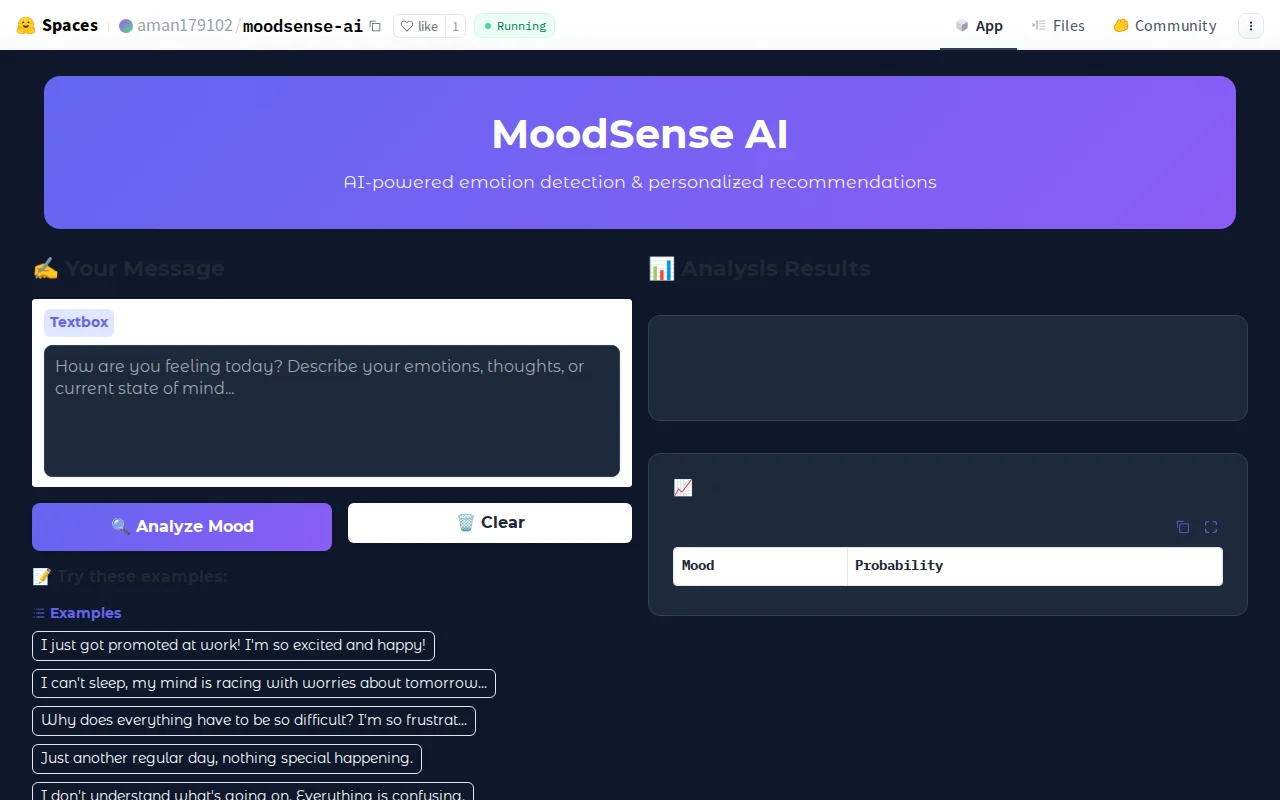
It classifies text into multiple moods (happy, sad, anxious, etc.), shows confidence and probability distribution, and exposes both an API (FastAPI) and a UI (Gradio).
The goal was to go beyond just training a model and make something actually usable.
Live demo: https://huggingface.co/spaces/aman179102/moodsense-ai
Source: https://github.com/aman179102/moodsense-ai
Tech stack: Python, scikit-learn, LightGBM, spaCy, FastAPI, Gradio
Text sentiment analysis when IBM Watson and Google NLP already dominate this space.
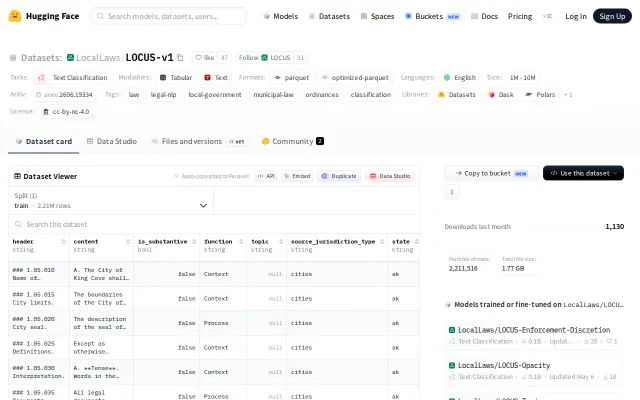
2.2M local laws with ML-classified enforcement and opacity scores.
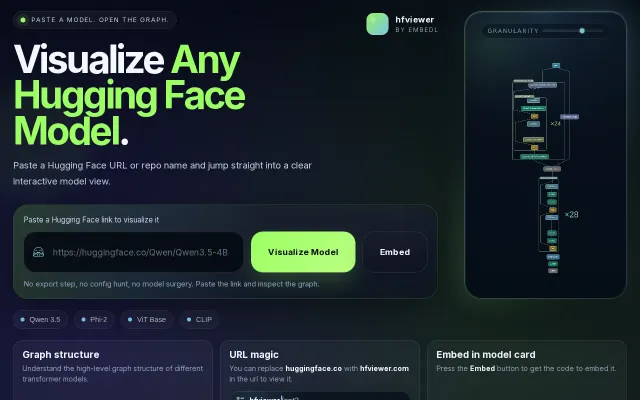
Paste any HF URL to instantly see the full transformer architecture graph.
Official FastAPI deployment with one command when Vercel and Render already exist.
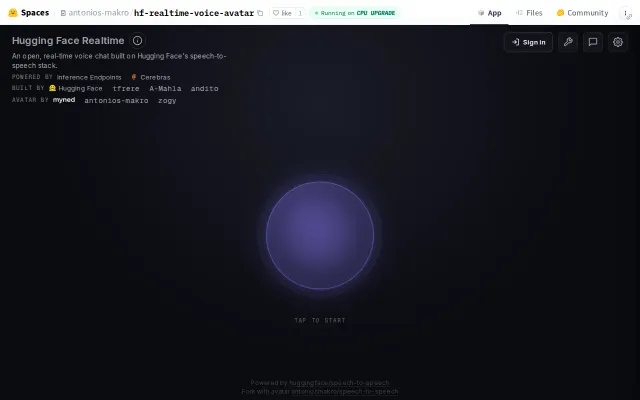
CPU-based avatar is a nice visual tweak but doesn't change the underlying demo.
io_uring warm path hits 90 GB/s, crushing standard syscall limits.