Developer Tools●●Solid
AIST – 950-token protocol for preserving AI session state
60x compression for AI context, but handoff format viability depends on LLM adoption.
Big BrainNiche Gem
robigewii
114mo ago
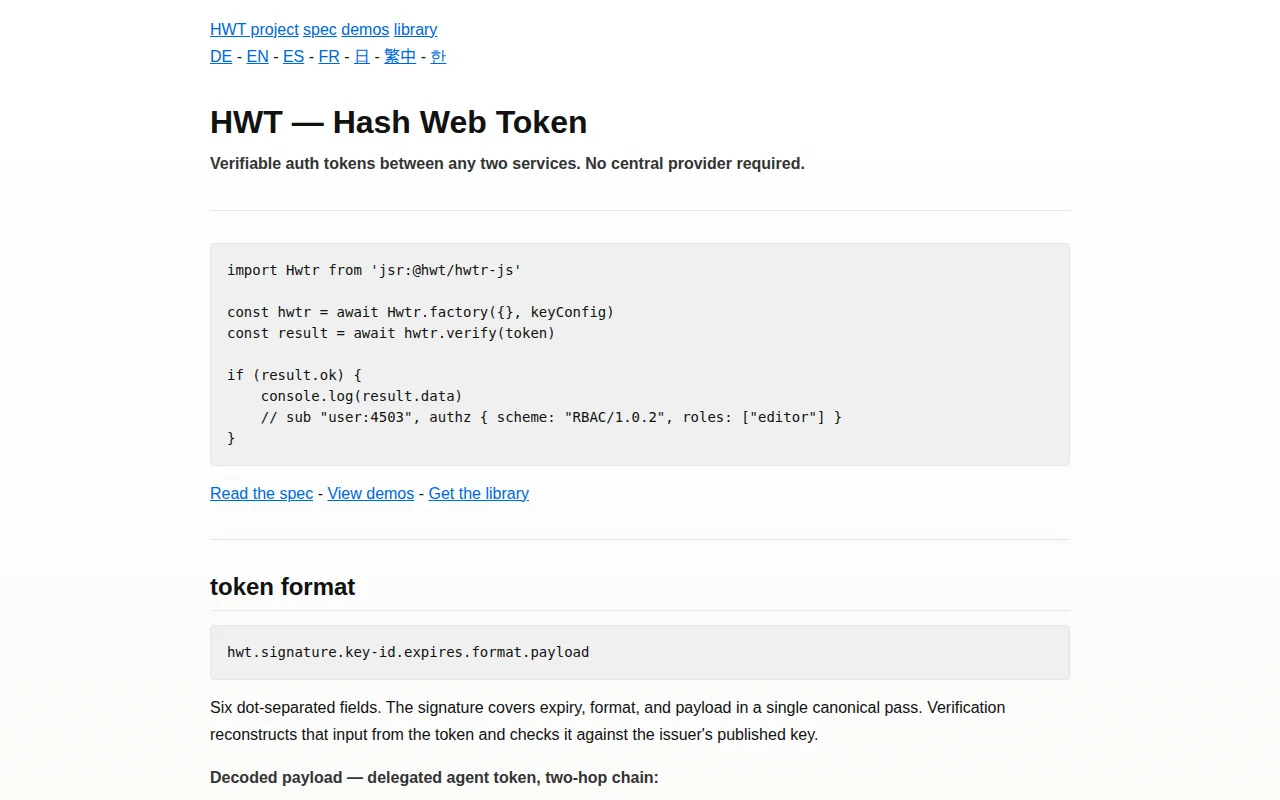
Delegation chains with full visibility beat JWT, but switching costs are massive.
Backend developers building microservices with delegated auth
JWT · PASETO · Macaroons
The design is focused on the token as state guarantee, not creation, revocation and the range of other separate concerns and application responsibilities. The spec conventions attempts to ease development with jurisdiction/data sovereignty and authorization in the authz field. It also enables and eases delegation between services and domains without centralized service exposure. The implementation is standalone and has demos for Deno, Cloudflare, etc in https://github.com/hwt-protocol
Feedback and critique of the security logic and approach appreciated.
60x compression for AI context, but handoff format viability depends on LLM adoption.
Hash-verified edits cut Claude editing tokens by 44%—measurable, specific, real win.
KV-cache tool schemas once, reuse across requests: 29.2x speedup on 50 tools, flat 200ms TTFT.
MAKO compresses what matters into a HEAD-friendly payload — frontmatter, declared actions and semantic links — so agents can find relevance without downloading 181KB of navigation, ads and scripts. The project ships a spec plus real tooling (typed SDK, Express middleware, an analyzer/score and edge-friendly /md conversion), which is a rare combo of protocol thinking and usable developer ergonomics. Whether it becomes a standard depends on buy-in from CMS/plugin authors and agent platforms, but technically it's a smart, practical swing at an obvious pain point.
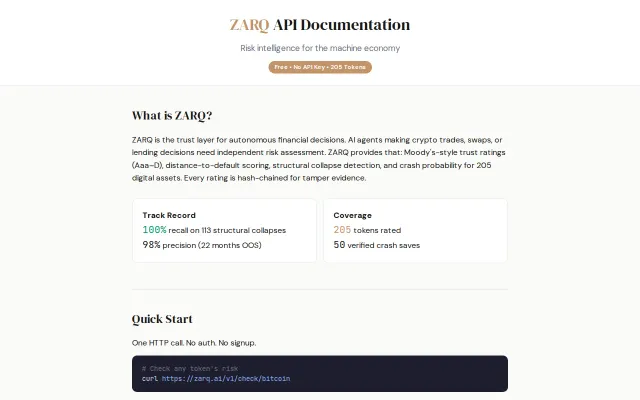
Crypto risk ratings API for agents, but claims lack verification and crash-shield unproven.
Injects raw KV tensors directly into model cache to skip 90% of token recomputation.