Security●●Solid
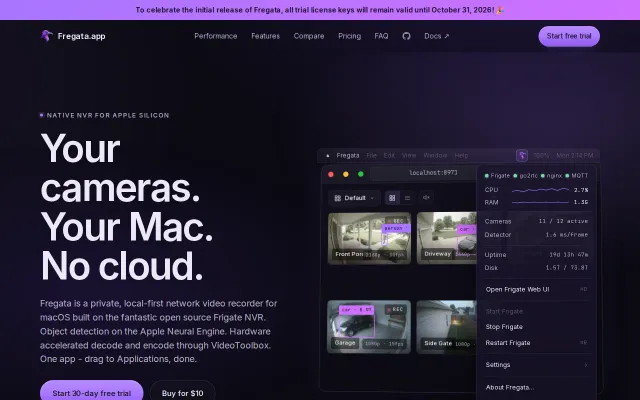
Fregata – a macOS native port of Frigate NVR
Frigate NVR native on Mac with Neural Engine detection, no Docker or subscriptions.
CozySolve My Problem
nulledy
412d ago
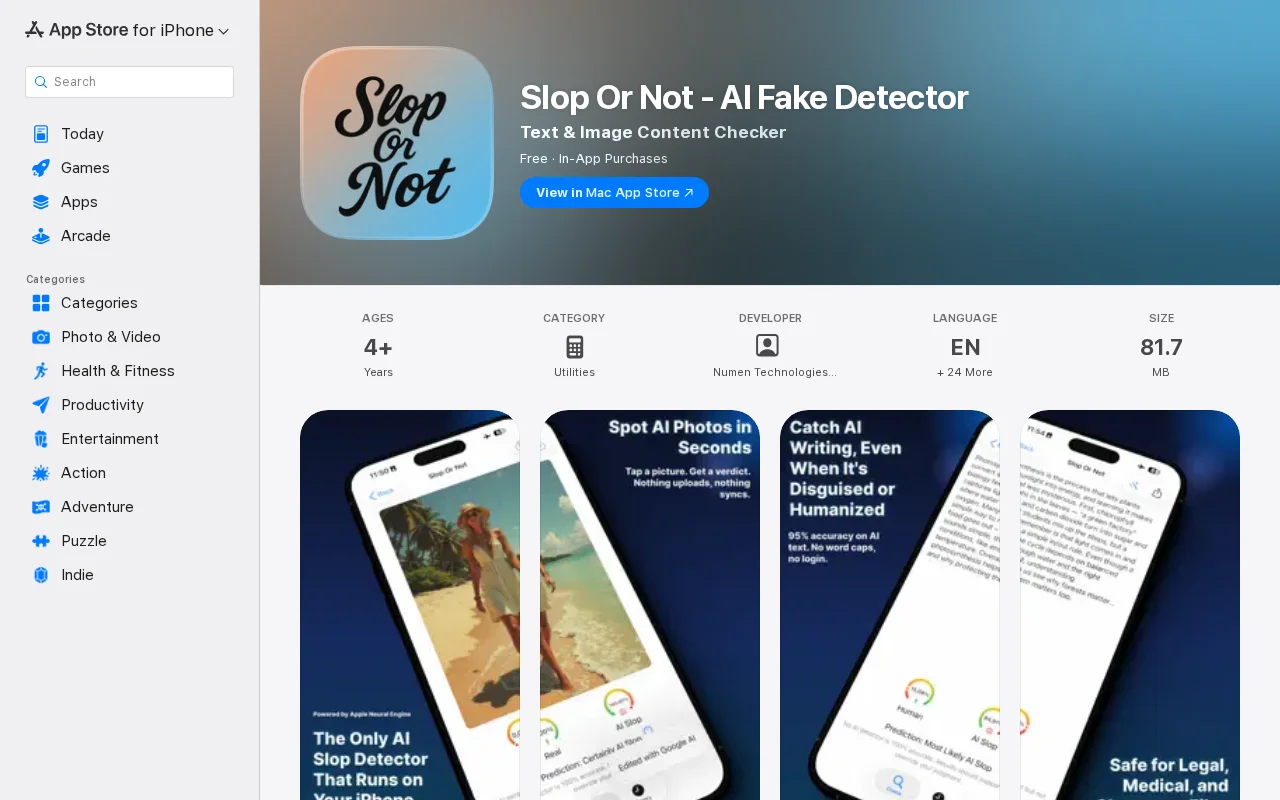
Runs OmniAID detection locally on Neural Engine instead of uploading your data to servers.
iOS users, content moderators, privacy-conscious individuals
GPTZero · Originality.ai · Hive Moderation
Frigate NVR native on Mac with Neural Engine detection, no Docker or subscriptions.
Runs 4B-parameter image-to-3D on Mac without CUDA—Microsoft's original required NVIDIA only.
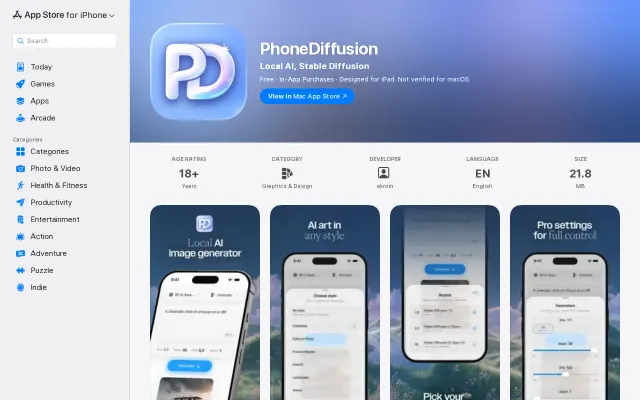
Runs SDXL locally on iPhone when most competitors require cloud APIs.
MoE pruning on MacBook without CUDA or PyTorch dependency stack.
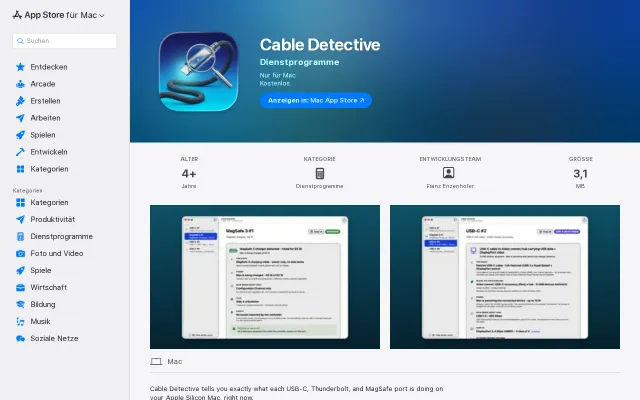
Finally reveals what your USB-C ports are actually doing beyond marketing specs.
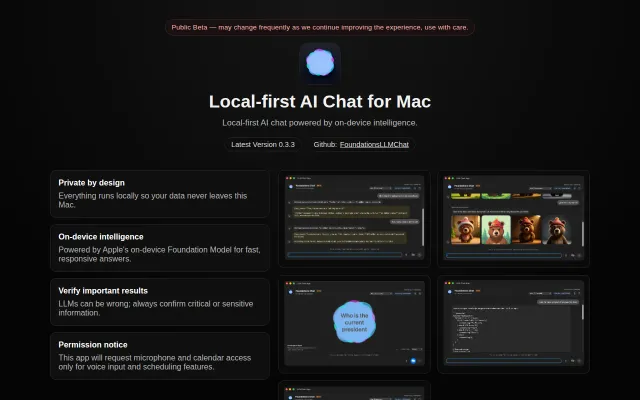
Apple's Foundation Model chat without downloading anything, but local-only LLMs for Mac are well-trodden.