Productivity●●Solid
Atomic – self-hosted, semantically-connected personal knowledge base
Self-hosted Obsidian rival with native MCP server and sqlite-vec semantic search built-in.
Ship ItDark HorseBig Brain
kenforthewin
152272mo ago
Local note engine that uses LLM to build and evolve a knowledge graph
Hierarchy emerges by subdivision, but Obsidian plugins already auto-tag and link notes.
Obsidian users, note-takers, personal knowledge management enthusiasts
Obsidian Smart Connections · Mem.ai · Logseq
Notecast is a local note engine i've been building to help me with that. it runs a three stage LLM pipeline (Classify -> Organize -> Consolidate) that automatically builds and maintain a knowledge graph from the notes. the theme hierarchy emerges by subdivision as notes accumulate. Any change generates a proposal that can be edited and commited by the user.
It is early stage and a lot of architectural and domain logic decisions might change but the core is working and is already useful.
It has Obsidian vault integration. I recommend using it (just set vaultPath on configurations)
I'm actively developing it this year and would love feedback.
Self-hosted Obsidian rival with native MCP server and sqlite-vec semantic search built-in.
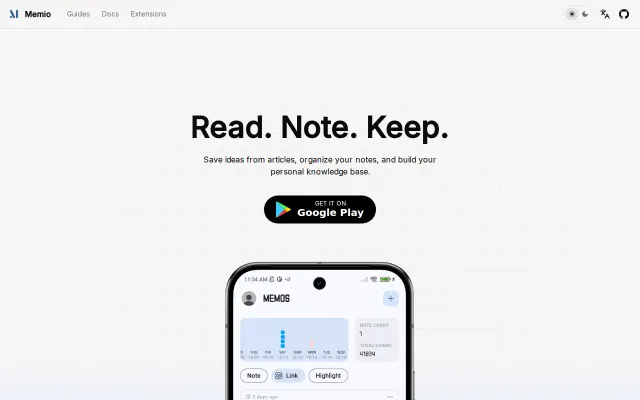
Android knowledge hub, but Notion, Logseq, and Readwise already solve this better and cross-platform.
Markdown-to-mind-map rendering is slick, but Obsidian Canvas already maps local notes better.
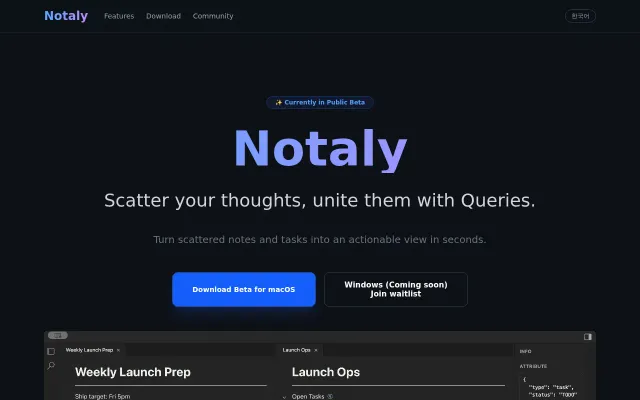
Obsidian/Notion alternative: skip hierarchies, just mark lines as data and query later.
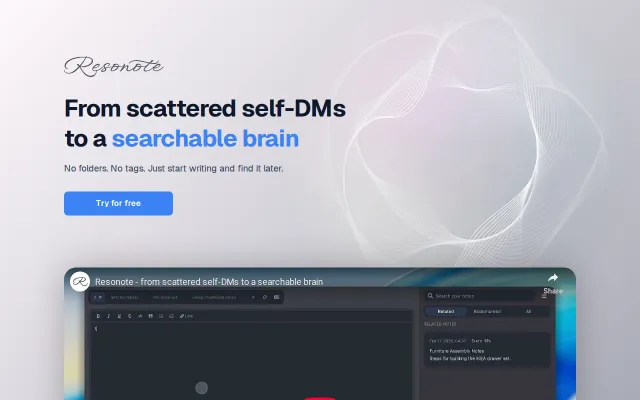
Unnamed drafts and automatic resurfacing are the two gutsy choices here — start writing and the app tries to pull up related notes for you. It's a neat UX shortcut if the semantic matching is strong, but the landing page hides how recall is implemented (model, privacy, offline), and in a crowded space with Mem/Reflect clones that detail matters.
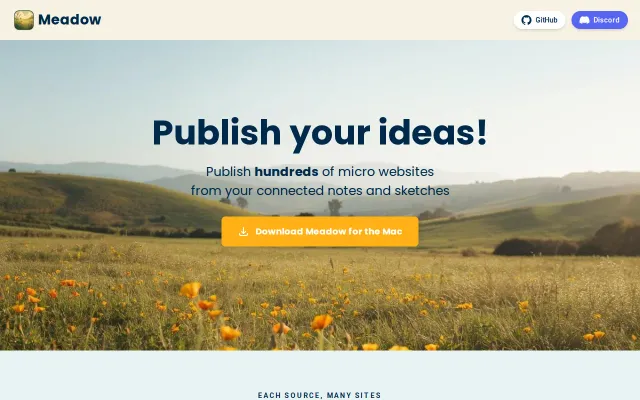
Publish curated note subsets as microsites when Obsidian Publish only does one site.