Developer Tools●●●Banger
Pixrep – Turn code repositories into PDFs for multimodal LLMs
DeepSeek-OCR–inspired visual tokenization saves 40% tokens vs text, with academic validation.
Big BrainZero to OneWizardry
TingjiaInFuture
105mo ago
Read-only DDR5 SPD decoder and semantic linter in Rust · validates module timing and structure beyond CRC
Semantic linter catches timing violations CRC misses, like tRC ≠ tRAS + tRP.
Hardware engineers, memory overclockers, system integrators
I wrote spdr partly to have one. Every field decoder is written out explicitly and each byte offset is pinned to an open source I could cross-check against, so the code reads as a reference for the format about as much as it works as a tool. On top of the decoder there's a linter that flags values that are internally inconsistent even when the CRC passes, like a tRC that doesn't equal tRAS + tRP, or a CAS latency the module doesn't list as supported.
The core is a no_std, allocation-free, #![forbid(unsafe_code)] Rust library; the CLI is separate. Malformed input returns a typed error rather than panicking, which is property-tested over arbitrary and mutated bytes.
It's read-only (it never writes SPD), and the scope is deliberately narrow: unbuffered DDR5 UDIMMs are fully decoded, server/registered modules aren't yet, and it's only validated against one real module so far.
DeepSeek-OCR–inspired visual tokenization saves 40% tokens vs text, with academic validation.
Forces teams to document NOLINT suppressions before tech debt accumulates.
Forces devs to justify NOLINT comments before tech debt goes silent.
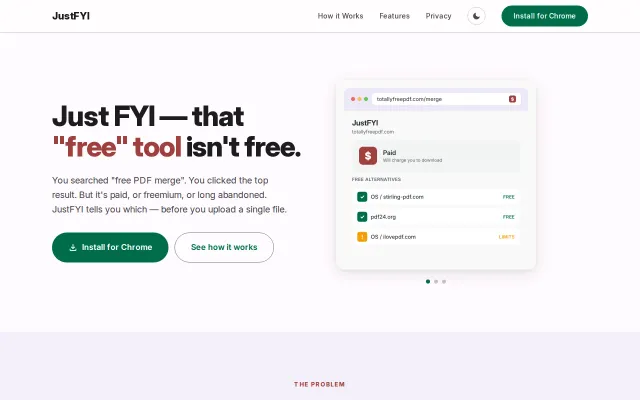
Toolbar icon verdict before you upload—saves 15 minutes of wasted editing time.
Clean-room Rust implementation runs 20x faster than ShellCheck with compatible output.
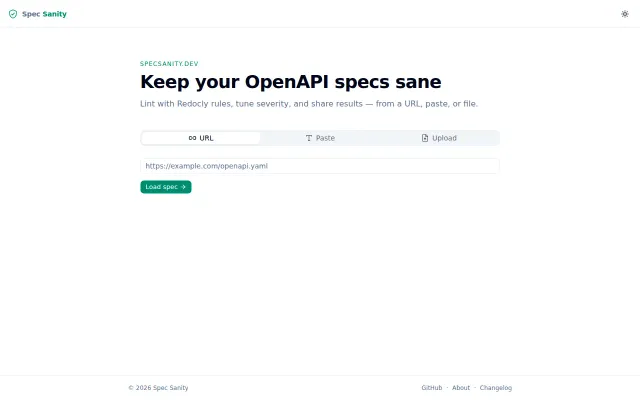
Redocly rules running 100% in-browser with zero server round-trips.