Infrastructure●●Solid
Redis Rubix Bridge a HTTP API Redis Gateway
Self-hosted Upstash alternative that finally unlocks Redis for serverless without the vendor lock-in.
Solve My ProblemNiche Gem
rubixvi
209d ago
Raw QUIC streams from Node without building from source or reverse proxies.
Node.js developers building low-level networking applications
node-quic · quiche · undici
Repo: https://github.com/currentspace/http3 npm: https://www.npmjs.com/package/@currentspace/http3
It’s a native package around Rust/quiche. It supports both client and server APIs, but the client side is the part I care about most: raw QUIC streams, datagrams, custom ALPN, session behavior, and HTTP/3 client work from Node.
Install:
``` npm install @currentspace/http3 ```
Minimal raw QUIC client:
``` import { connectQuicAsync } from '@currentspace/http3';
const session = await connectQuicAsync('127.0.0.1:4433', { rejectUnauthorized: false, });
const stream = session.openStream(); stream.end(Buffer.from('hello QUIC')); ```
This is early and it’s native networking code, so I don’t expect people to trust it casually. I’m mainly sharing it because I’d like more eyes on the API shape and implementation model.
Self-hosted Upstash alternative that finally unlocks Redis for serverless without the vendor lock-in.
Hybrid adaptive FEC + TLS fingerprinting—ambitious, but unproven at scale against real DPI.
Go-style ergonomics in Rust claiming 2-3x speed gains over Hyper and Actix.
2x faster than Bun on warm installs, but only Linux/macOS and monorepo support missing.
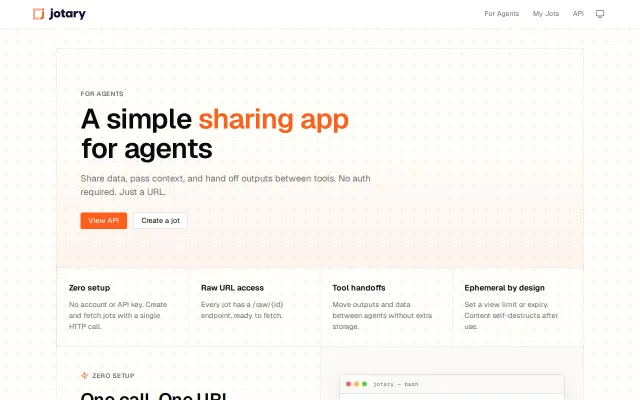
Pastebin for agents when agents could just use S3 presigned URLs or Redis.
Browser-based GPU cluster for LLM inference with HTTP API and SSE broker coordination.