AI/ML●●Solid
Safe database access for AI agents
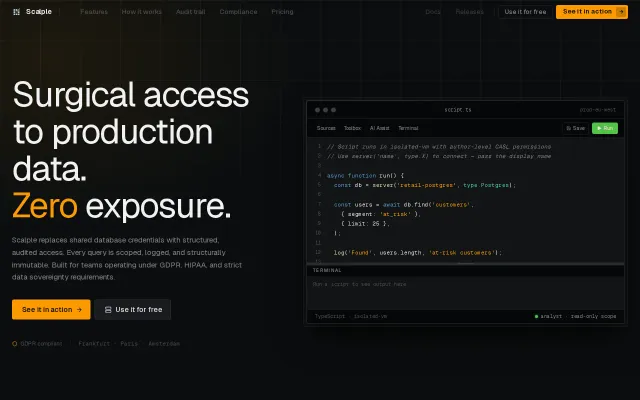
DML preview mode rolls back transactions so you see changes before approving them.
Big BrainShip It
its-a-new-world
109d ago
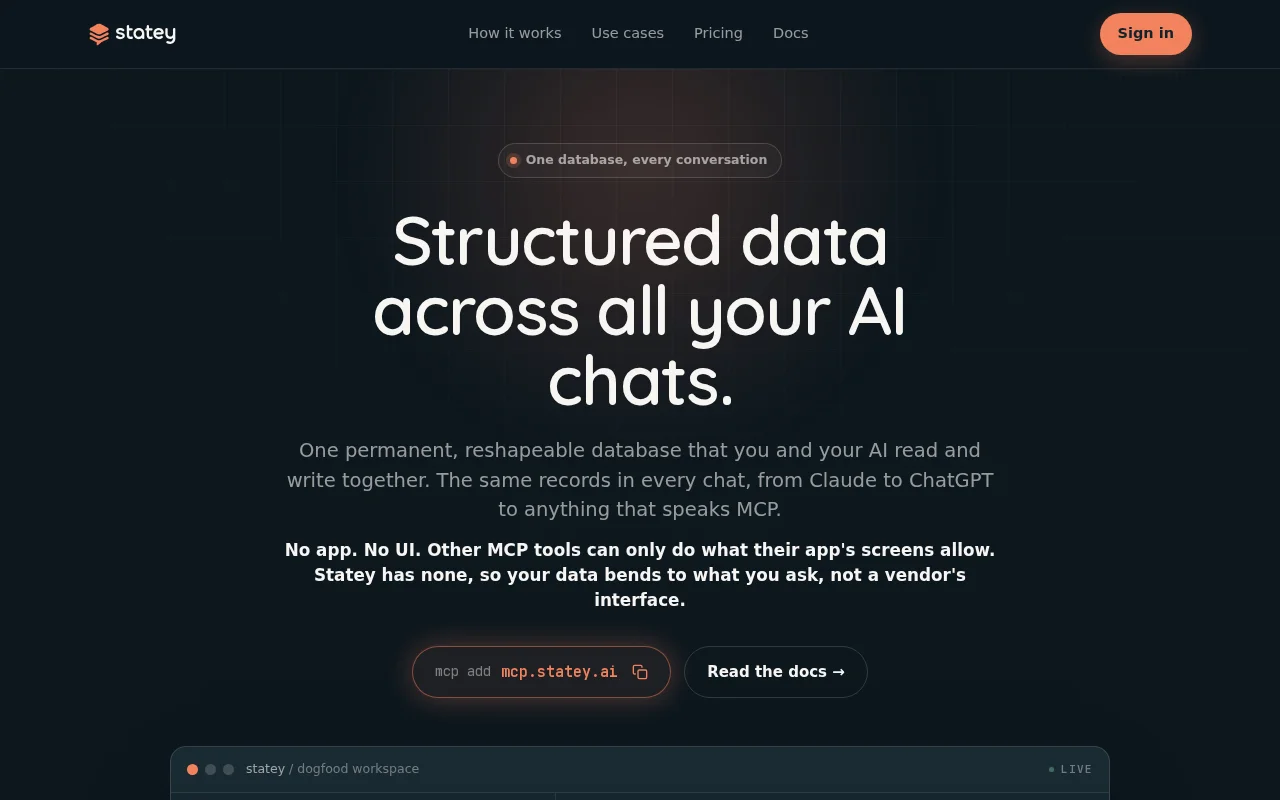
MCP-native database with invisible schema migrations for multi-agent workflows.
AI engineers, LLM power users, agent developers
Mem0 · Zep · SQLite MCP Server
I was a heavy Linear user until I noticed I hadn't opened the UI in days. I was just asking Claude to pull up the tickets I cared about and draw whatever view I needed in the moment. At some point it clicked that I didn't need Linear, I needed the database underneath it. Then I realized it was the same for Confluence, Jira, and Pipedrive. But I didn't want to stand up Postgres and babysit schemas and migrations to get structured, collaborative data into Claude. I just wanted structured storage I could talk to and that followed me from Claude Desktop to Claude Code to Codex to ChatGPT. I wonder if you do to?
That's what Statey is: a database with no UI, used entirely through MCP tools. You don't design a schema up front. You just tell your LLM what you want to store and Statey creates the collection. If you change your mind later it versions the schema and handles the migration invisibly (additive changes apply immediately, breaking ones ask first and return a diff). All you concern yourself with is getting work done and improving your methods.
Also, while I was in there I built out agent key management, multi-user, full attribution and activity logs so we can always trace who changed what and why. What I haven’t built yet is the reactive part, triggers that fire an agent when data changes. I can find about 100 uses for it, so that’s coming soon.
One thing I'm genuinely unsure about and would also like feedback on is the security model. It's a store any connected MCP client can write to, so prompt injection and over-broad agent access might be concerns. Attribution and the event log let you see what an agent did after the fact, but the issue has already happened. If you've thought about this for agent-writable data, tell me where I'm wrong.
To try it: mcp add mcp.statey.ai in Claude, Claude Code, or Cursor, or get the connect steps at statey.ai. Happy to answer anything!
Thanks hackers!
DML preview mode rolls back transactions so you see changes before approving them.
INSERT-only audit trail with cryptographic chain beats StrongDM's logging.
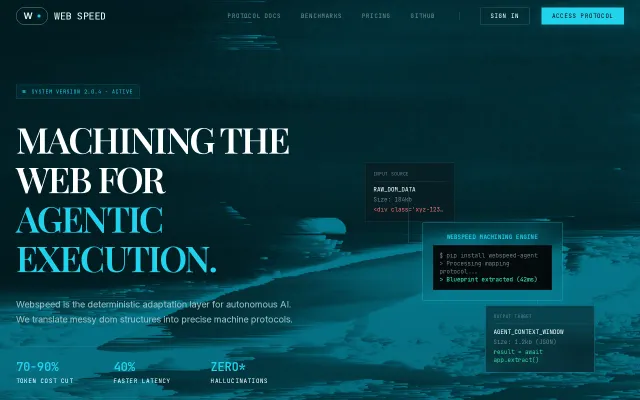
Yet another HTML preprocessor when Jina AI and Firecrawl already exist.
Shared error genes across agents when LangGraph and AutoGen already handle agent memory.
Fixes the core gap: AI agents can now actually use interactive CLIs, not just dump output.
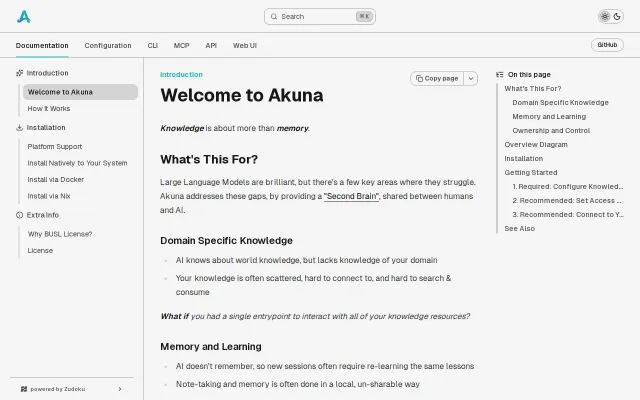
Shared knowledge base with write-back permissions for AI agents via MCP.