Education●Mid
![Building compiler from scratch without the help of LLMs [video]](/screenshots/47821137_thumb.webp)
Building compiler from scratch without the help of LLMs [video]
Compiler build log video, but the language itself has no ecosystem.
CozyNiche Gem
aarnphm
202mo ago
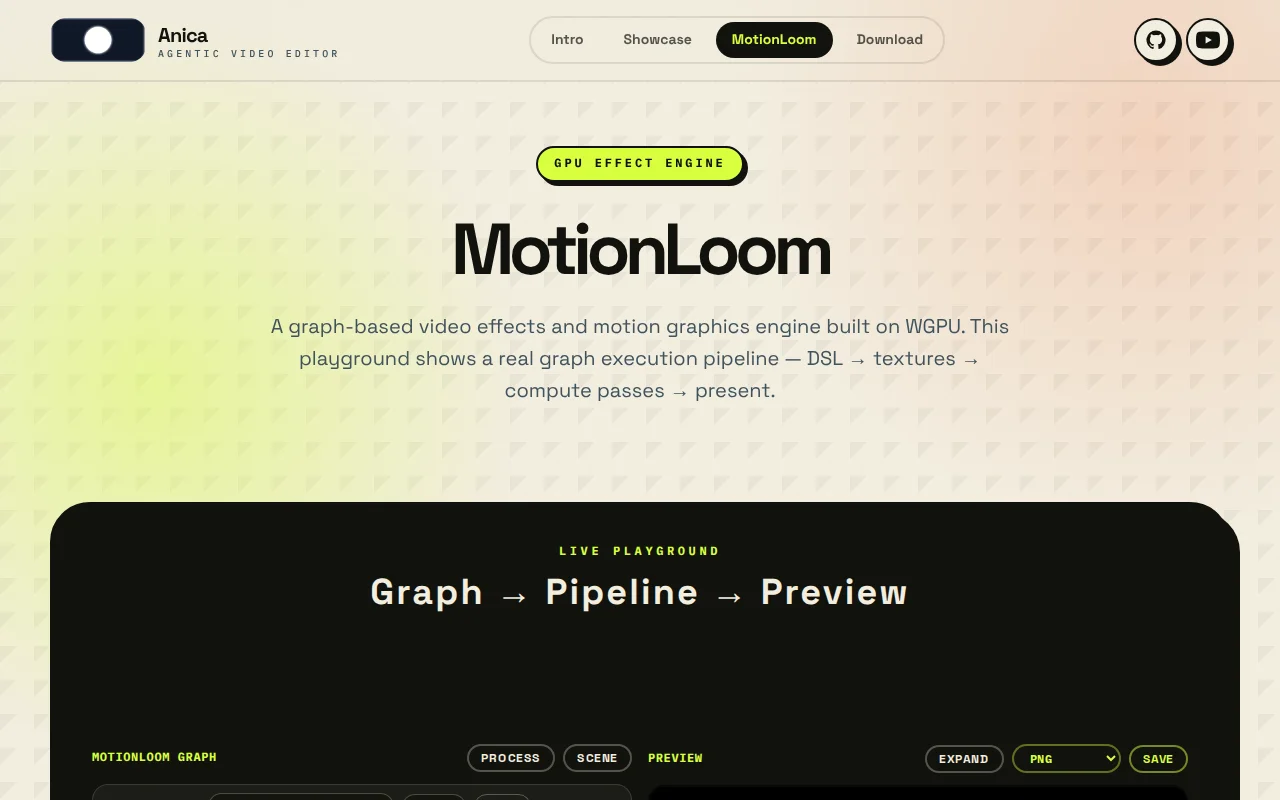
Because of these goals, I created MotionLoom. It can run in WASM in the browser, and it is also designed to be usable in native apps and, as a secondary goal, from the terminal. Here is a simple “Hello World” example. It creates a 3-second video at 30 FPS, with a black background and the text “HELLO WORLD” fading in at the center of the screen: ```xml <Graph fps={30} duration="3s" size={[1920,1080]} renderSize={[1920,1080]}> <Background color="#000000" />
<Scene id="hello_world_fadein"> <Timeline> <Track id="main" space="world" z="0"> <Sequence from="0s" duration="3s" out="hold"> <Layer> <Text id="hello_world_text" value="HELLO WORLD" x="center" y="center" fontFamily="Arial" fontWeight="900" fontSize="120" color="#ffffff" opacity={curve("0:0:linear, 1.2:1:ease_out, 3:1:linear")} renderScale="4x" /> </Layer> </Sequence> </Track> </Timeline> </Scene>
<Present from="hello_world_fadein" />
</Graph> ``` I also made a demo page where you can try different showcases: https://lovelyzombieyho.github.io/anica-landing-page/motionl... For now, there are around 100 examples and 40+ showcases. It should work well in Chromium-based browsers on both laptops and phones. I’d love to hear any ideas or feedback about the project, especially on the DSL design, use cases, and what could be improved.Compiler build log video, but the language itself has no ecosystem.
Clippy for WordPress, but the Abilities API is still too new to trust.
Grafana integration for OpenClaw agents, but audience is tiny—requires both tools.
Yet another browser 3D editor in a field dominated by Spline and Womp.
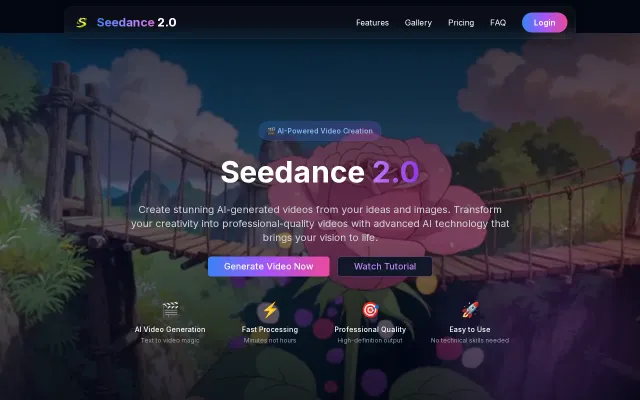
Clean, friendly UI and a clear creation flow (text/image → style → generate) make the app feel approachable for non‑technical creators, and the obvious controls (duration, resolution, aspect ratio) are useful. But this is a crowded space—there's no visible technical differentiator or evidence of better temporal coherence, faster backends, or unique models; unless it actually delivers on speed/stability across browsers, it reads as another polished front‑end over commoditized text→video tech.
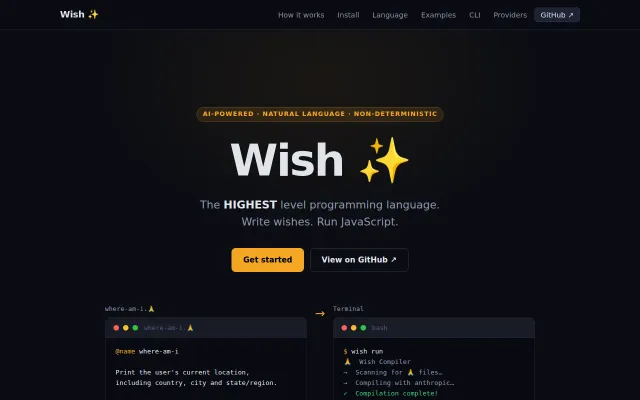
Non-deterministic compilation via LLM — every natural language programming attempt has failed for decades.