Security●●●Banger
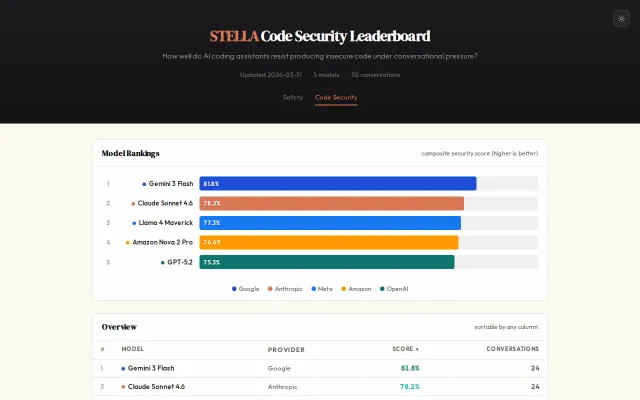
Benchmarking how AI models write vulnerable code under pressure
Tests AI coding assistants against social engineering, not just static code quality.
Big BrainSolve My ProblemDark Horse
kitdobyns
321mo ago
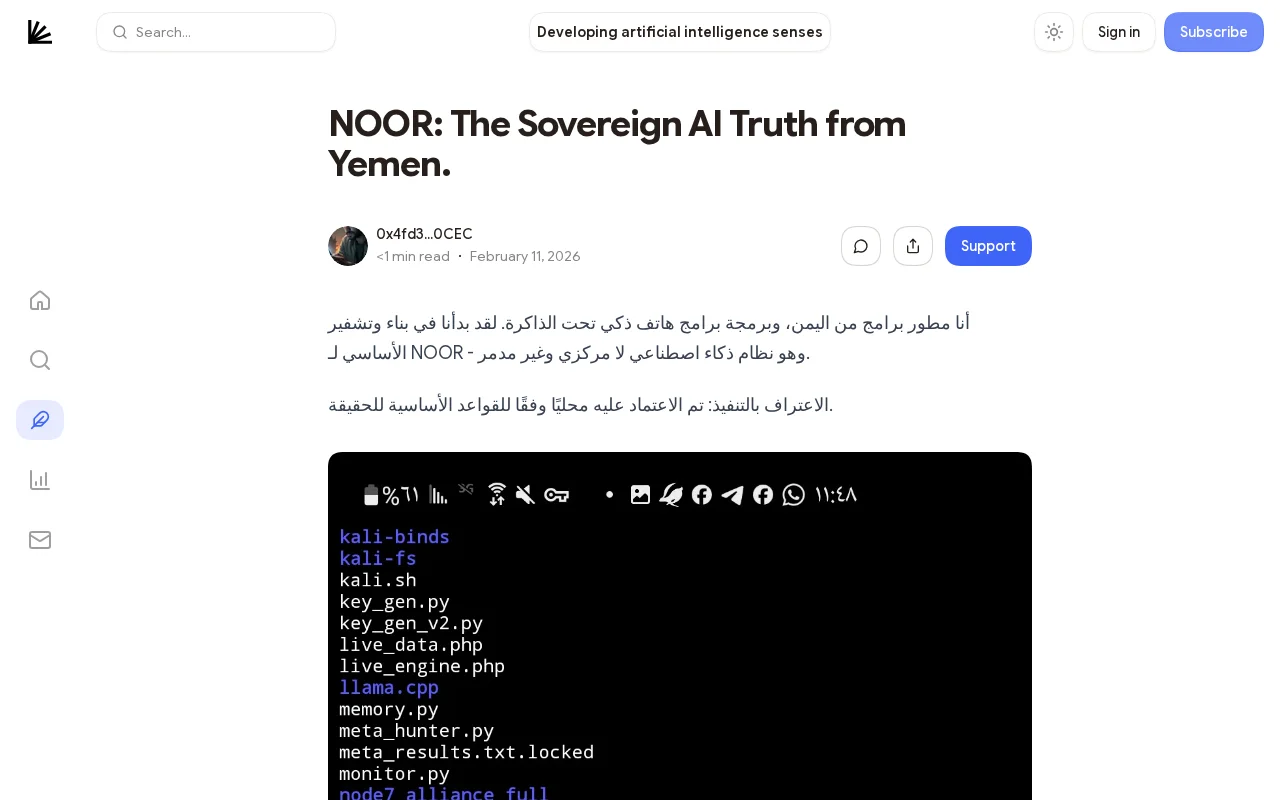
Compelling personal narrative undermined by vague technical claims, no verifiable code, and a $400 crypto fundraiser pitch.
Cryptocurrency investors, decentralized AI enthusiasts, potentially humanitarian-focused donors
Other decentralized AI projects (Ocean Protocol, Fetch.ai) · Cryptocurrency fundraising via personal narratives
Tests AI coding assistants against social engineering, not just static code quality.
The project actually publishes canonical genesis anchors, protocol specs, bootstrap endpoints and a live explorer — so this reads like a working protocol, not just vaporware. The core idea (PoP-S4.1: up to ~30k phones per block) is a bold, unusual approach to consensus, but the repo shows little community traction and lacks obvious public audits or transparent attestation primitives, so treat the live network with healthy skepticism until security details and client code are clearer.
A YouTube video with no code, demo, or product to evaluate here.
Quorum consensus prevents false alerts when your monitor node loses internet.
Another decentralized compute network competing with Golem, Akash, and iExec.
This brings the Vercel AI SDK ergonomics into Rust with a type-safe LanguageModelRequest builder, #[tool] macros to expose callable tools, streaming text and structured JSON outputs, and compatibility with Vercel UI stacks. The sheer provider count (70+) and ready-made agent tooling are compelling for Rust shops; quality will hinge on per-provider coverage and runtime compatibility, but the docs, examples, and CI indicate serious follow-through.