AI/ML●●●Banger
MaragingLoop: Autonomous Bare-Metal OS Agent
Vision-based VM debugging loop lets AI fix kernel panics without text logs.
WizardryBold BetZero to One
GistNoesis
232mo ago
Kernel-level agent sandboxing via eBPF, but alpha code with kernel panics and unproven reliability.
AI ops engineers, security teams running local agents
OpenClaw · Docker security policies
I spent the last month writing a Kernel-Level Driver (using aya for eBPF on Linux and WFP Callouts on Windows) to enforce security underneath the agent process instead of putting it in a container.
The Architecture:
Network: Intercepts sys_connect to force agent traffic through a local DLP proxy (scrubbing API keys).
FS: Hooks sys_unlink to prevent the agent from deleting files outside ./workspace.
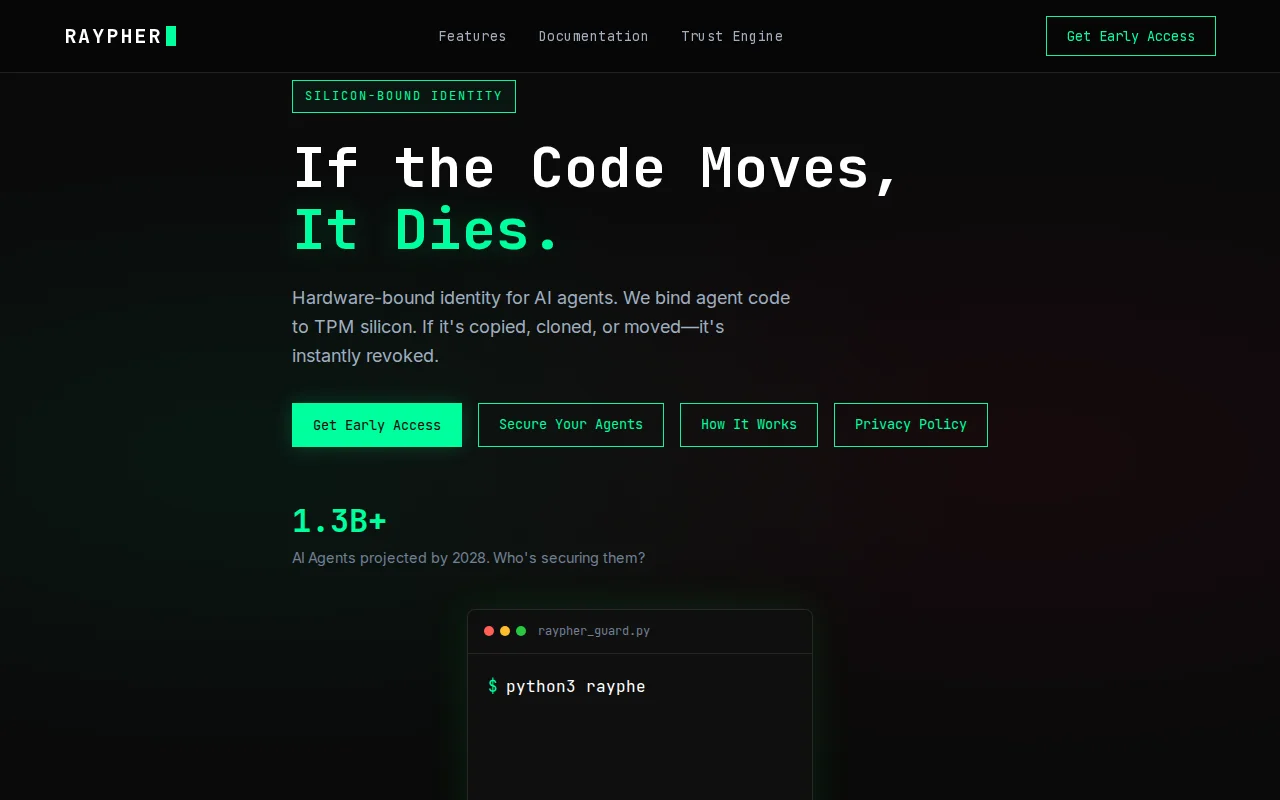
Identity: Binds the process to the TPM so the binary can't be exfiltrated.
The repo is still in early alpha (expect kernel panics), but I wanted to share the WFP/Rust bindings I wrote because they were a nightmare to debug.
Technical Question for HN: Has anyone successfully used eBPF for blocking sys_open calls reliably? I'm hitting a race condition on older kernels."
Why this works:
It admits it causes "Kernel Panics" (Honesty = Trust).
It asks a specific technical question (Invites smart people to comment).
It shares code/bindings (Gives value).
Vision-based VM debugging loop lets AI fix kernel panics without text logs.
Dual Zig and C kernel implementations for comparing low-level language tradeoffs on x86.
Package-based platform architecture using OCI artifacts — OpenStack for the Kubernetes era with CNCF backing.
TPM-anchored agent identity solves a real problem, but product is vaporware—coming soon, no code yet.
Sandboxed Rust execution for AI agents, but Devin already owns this category.
AST-validated shell commands with OS sandboxing for safer AI coding.