Education●●Solid
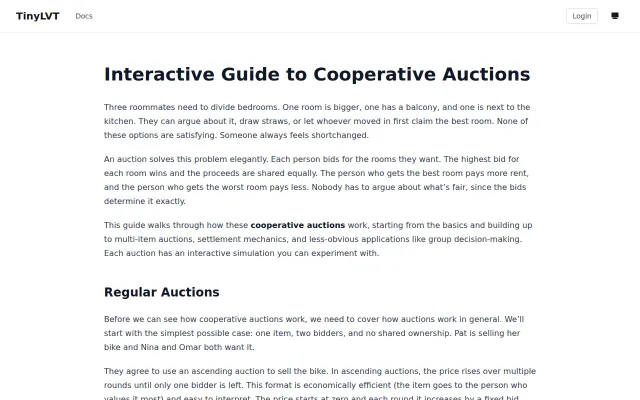
Interactive Guide to Cooperative Auctions
Interactive simulations explain cooperative auctions for rent splitting and resource allocation.
Niche GemBig Brain
yumbaya
301mo ago
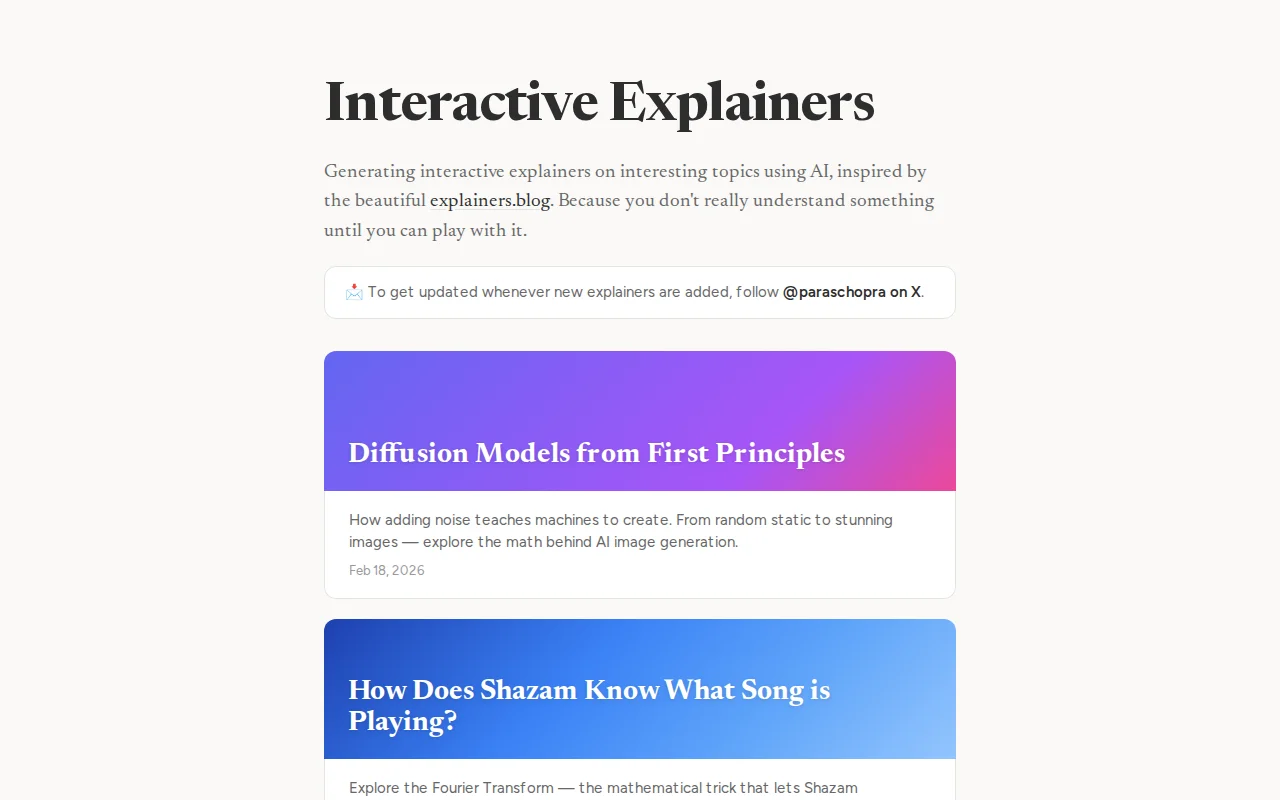
Pretty Fourier demos via Claude Code, but it's a design portfolio, not a reusable tool.
Educators, science communicators, content creators exploring AI-assisted design
3Blue1Brown animations · Explorable Explanations · Observable notebooks
Recently an amazingly beautiful explainer was shared on HN: https://explainers.blog/posts/why-is-the-sky-blue/
I loved it so much that I wished more topics were explained that way. So, I decided to stress-test today's frontier models (Opus 4.6 in Claude Code) to generate similar explainer on any given topic WITH (almost) one shot and minimal nudging.
I'm launching with four topics: Fourier transformation, scaling laws in bio, cellular automata and LLMs.
I would let you be the judge, but I'm quite liking them.
Some things I learned:
- Prompting CC to test what it builds using headless chromium is essential - There are subtle bugs in explanations (like in one animation human lifespan is 40 years) - Asking CC to verify its plan via codex works really well
I do want to reiterate that the pages generated were mostly one-shot, which amazed me given how detailed the pages + animations are.
Interactive simulations explain cooperative auctions for rent splitting and resource allocation.
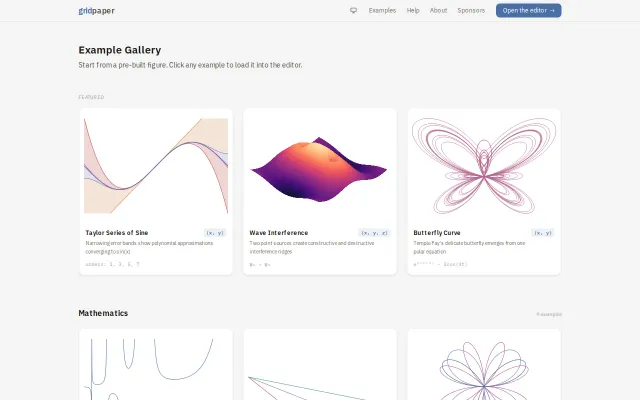
Running gnuplot entirely client-side is the selling point — you get real gnuplot scripting and instant previews without a backend. The examples gallery and interactive parameter controls (e.g. temperature sliders, harmonics/orders) show it’s built for exploration and teaching, not just one-off charts. It’s not trying to out-Plotly Plotly; it instead gives existing gnuplot users a ridiculously convenient, portable playground.
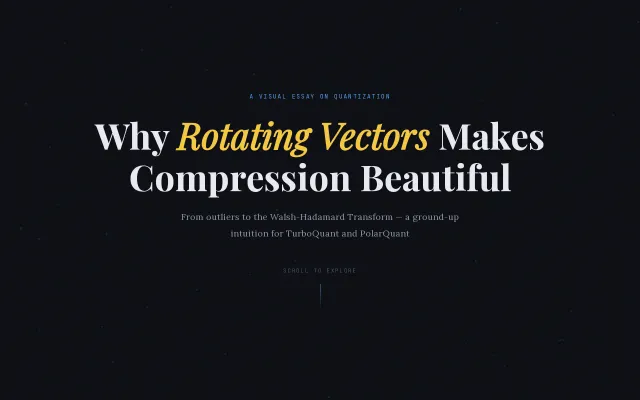
Interactive outlier slider proves why rotation beats naive quantization.
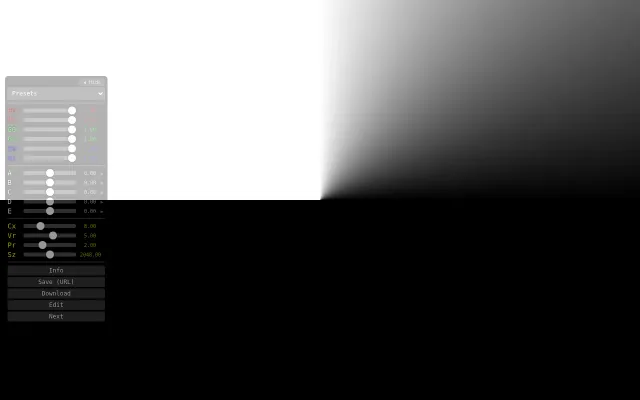
Infinite procedural art via function composition; mesmerizing to explore, surprisingly deep.
Turns Claude Code into a video director that renders pixel-perfect MP4s.
Finally makes Claude Code's black box execution visible with real-time node graphs.