Developer Tools●●Solid
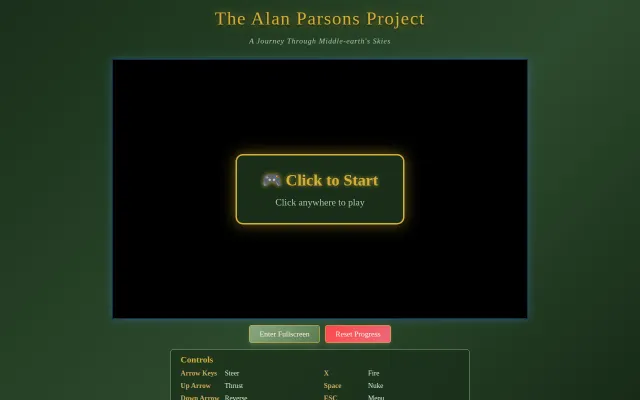
Game Engine in Julia with 400KB Exports (Vs Unity's 200MB)
PBR + physics in 400KB WASM, but Julia adoption limits the audience significantly.
WizardryNiche Gem
MrNova
523mo ago
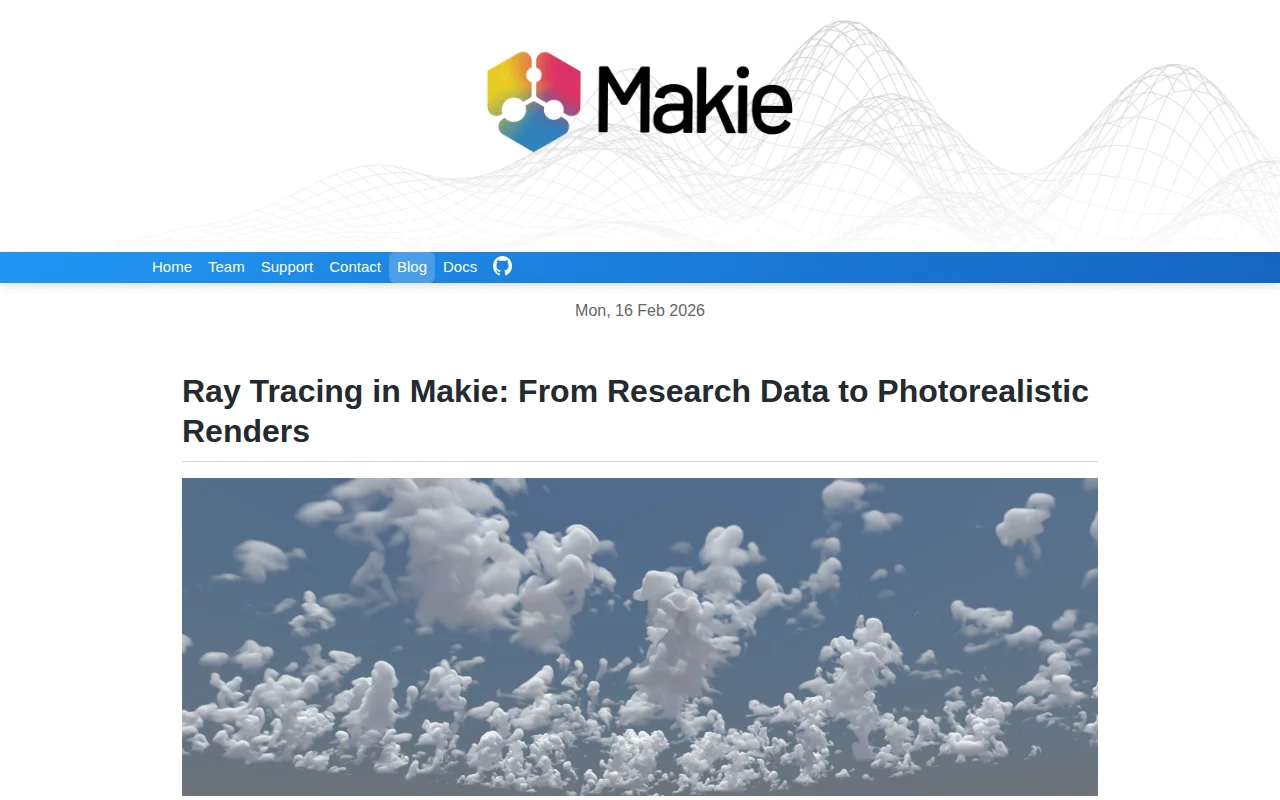
Research-grade ray tracer in Julia; spectral path tracing on AMD/NVIDIA/CPU, no mesh export.
Research scientists, data viz engineers, Julia users doing computational work
PBRT (C++) · Mitsuba (Python bindings) · Blender Cycles
Julia compiles user-defined physics directly into GPU kernels, so anyone can extend the ray tracer with new materials and media - a black hole with gravitational lensing is ~200 lines of Julia.
Runs on AMD, NVIDIA, and CPU via KernelAbstractions.jl, with Metal coming soon.
Demo scenes: github.com/SimonDanisch/RayDemo
PBR + physics in 400KB WASM, but Julia adoption limits the audience significantly.
10MB Julia IDE with full LSP and debugger beats VSCode's 300MB bloat.
Windows support for Karpathy's autoresearch without unofficial Triton stacks.
Physics-based anomaly detection with no training step, but novelty doesn't match execution maturity.
Cadence-aware scheduling with ZMQ zero-copy tensors is clever, but Ray Serve already handles multi-model serving.
Hand-tuned SSE particle engine from 2002 assembly, now runs in your browser via WASM.