AI/ML●●Solid
CongaLine – Self-hosted isolated AI agent fleet (OpenClaw, Hermes)
Per-agent container isolation with separate networks beats shared-instance chaos.
Big BrainSolve My Problem
zhendershot
402mo ago
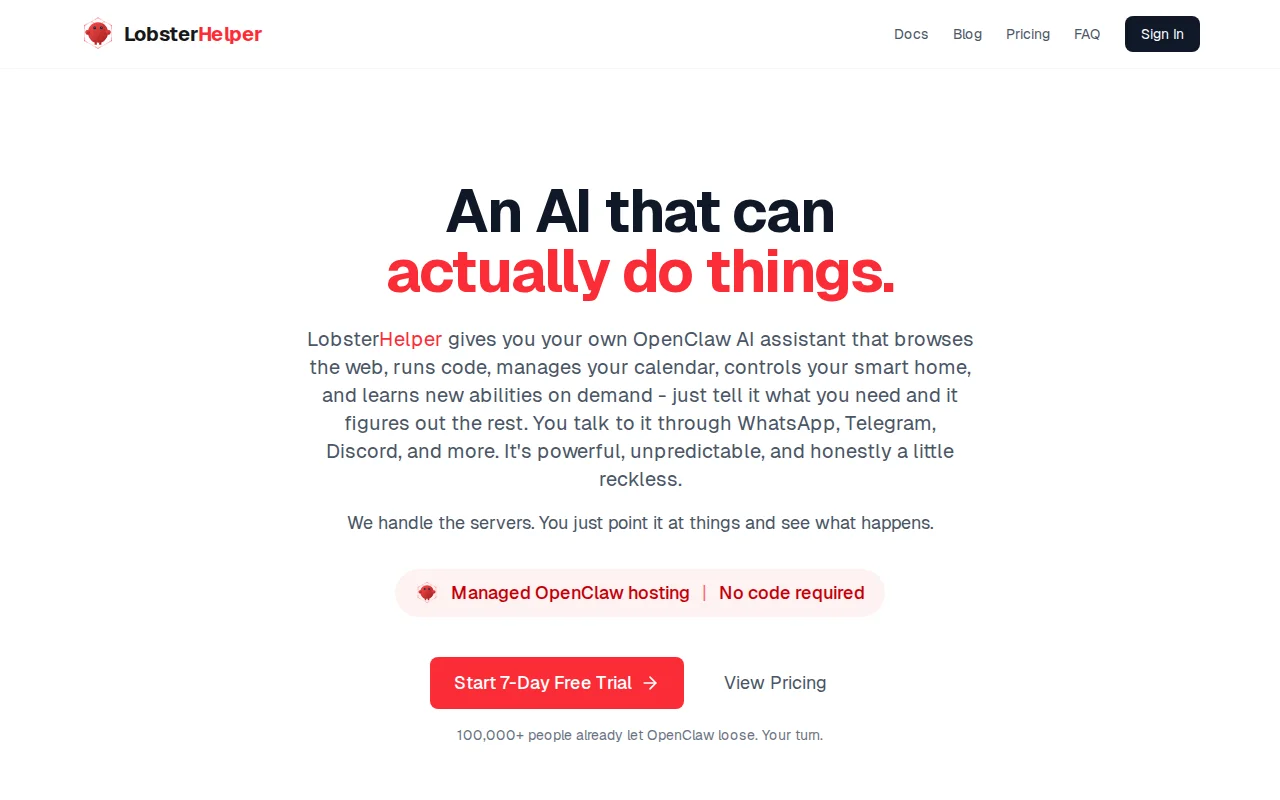
OpenClaw in isolated VMs instead of Docker. Accessible to non-terminal users via chat.
Non-technical users who want autonomous AI agents for web browsing, automation, and task execution without managing infrastructure.
OpenClaw (self-hosted) · Replit Agent · Anthropic Claude Computer Use
steipete mentioned in an interview that if you can't use a terminal you shouldn't use OpenClaw (paraphrasing). I disagree - the way we interact with the internet is changing, and simply because a new technology carries risk doesn't mean that one cadre of society is uniquely well-equipped to understand and accept the risks.
So, I put my money where my mouth is and built LobsterHelper.
Each instance runs in its own Firecracker micro-VM with LUKS-encrypted storage. Not Docker containers on shared infra. The VMs have no public IP - all access goes through an authenticated proxy.
I can't make the AI safe yet, but I can make the infra safe, and that's a good place to start.
We've got a long dev-log lined up (3rd party api configuration on platform, token metering, free token use tiers, openclaw UI enhancements) and we'll have bonuses for early adopters along the way.
We're on a long journey to make these technologies safer and more accessible, and we'd hope you join us for the ride.
Alex
Per-agent container isolation with separate networks beats shared-instance chaos.
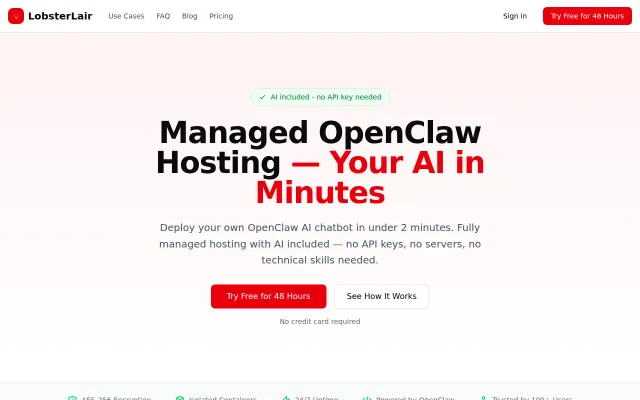
Paid wrapper around open-source OpenClaw that charges for Docker management and API access.
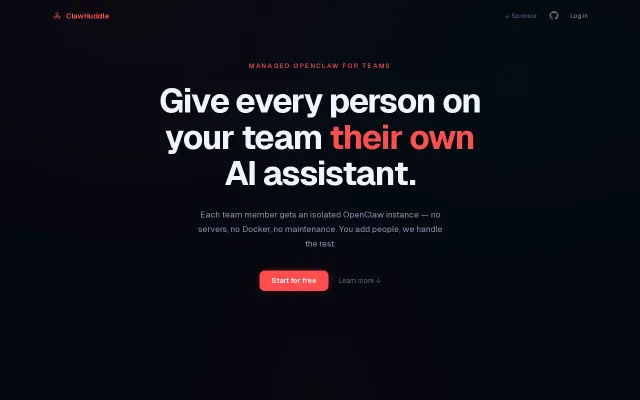
Turns 60-minute-per-person OpenClaw setup into a 2-minute invite, but only solves for one framework.
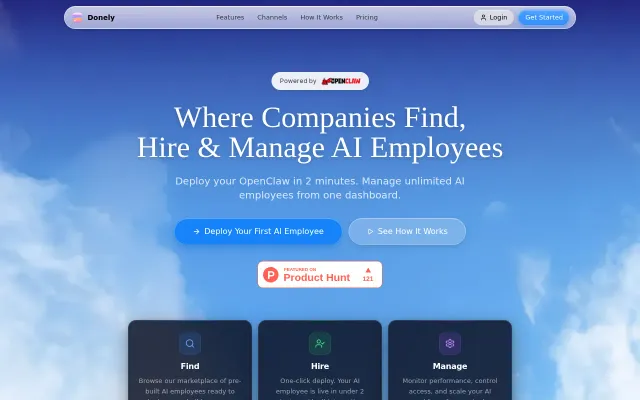
Vercel for OpenClaw agents: multi-tenant dashboards and billing for scaling agencies.
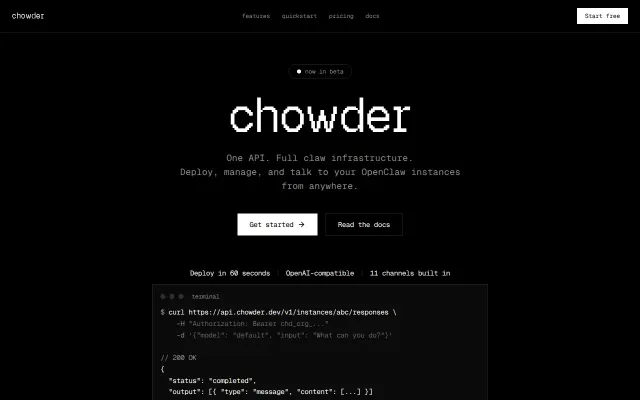
0.79ms VM spawn time beats E2B's 150ms using CoW memory forking on real KVM isolation.
Chowder gives you one API call to spin up sandboxed OpenClaw instances with built-in channels (Telegram, Slack, WhatsApp, Signal) and session memory — plus a Skills marketplace for browsing, file access and code execution. The OpenAI Responses-compatible surface and scoped org/instance keys with rotation are the practical wins: less infra to manage and an easy migration path for tools that already speak that API. It’s a sensible, developer-friendly stitch of agent orchestration and multi-channel routing, not a radical re-think of the space.