Developer Tools○Pass
Hardware and software safety standard for AI and Robots (15 patents)
15 patent claims with zero shipped code, implementation, or verifiable demo.
opencxms
143mo ago
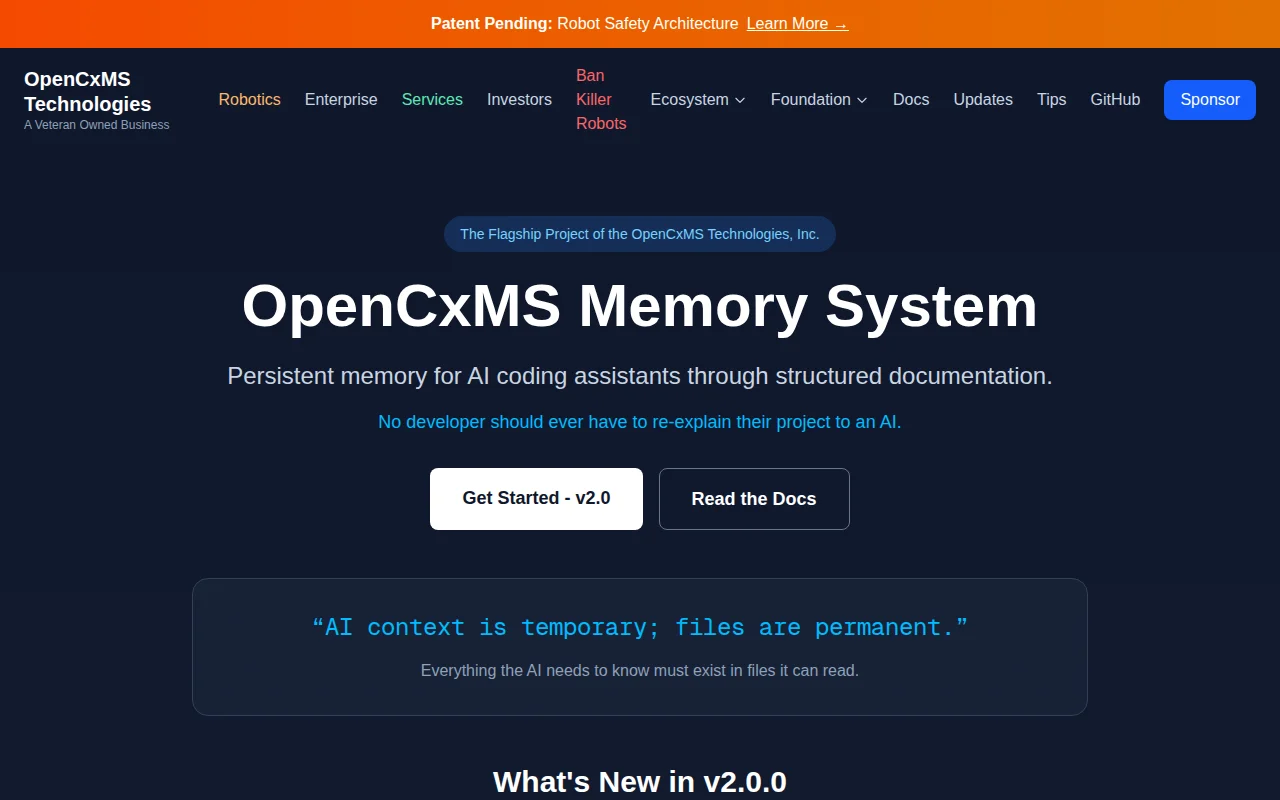
The core idea: a dedicated safety processor on its own independent power rail has physical control over whether AI processors receive electricity. When the system powers on, only the safety processor boots. AI gets zero power until safety completes self-test. During operation, the safety processor monitors AI-specific indicators — context exhaustion, inference latency, consensus failures — and can physically cut power without any software involvement.
The AI cannot prevent its own shutdown. Same Safe Torque Off principle industrial motor controllers have used for decades, applied to AI compute for the first time.
The spec (SASM — Standardized Autonomous Safety Module) also defines:
- Three standardized form factors (drone-sized to humanoid-sized)
- Universal connector (any compliant brain fits any compliant robot)
- Multi-vendor AI consensus (up to 9 different AI models must agree before physical action)
- Human-readable audit trail (every decision in plain-text Markdown files)
I built all of this working alongside AI, using an open-source context management system I created that gives AI assistants persistent memory across sessions. The tool that solved AI's memory problem became the tool that let me design a robot brain in 13 days.
Press release: https://www.prnewswire.com/news-releases/pennsylvania-public... s-302691316.html
Open-source tool: https://github.com/RobSB2/CxMS
Website: https://opencxms.org
Happy to answer questions about the hardware spec, the safety architecture, or what it's like filing 15 patents in 13 days as a solo inventor using AI.
15 patent claims with zero shipped code, implementation, or verifiable demo.
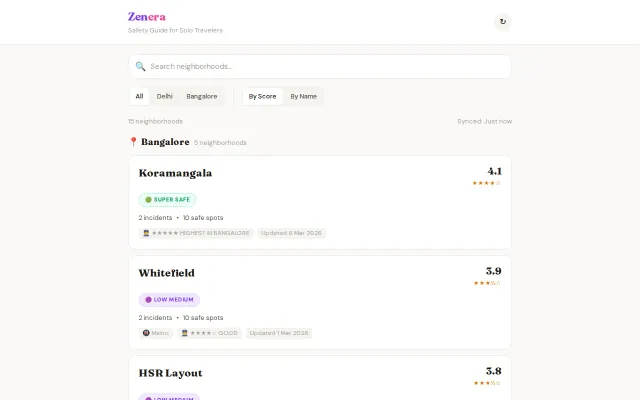
Neighborhood safety scores from 1000+ traveler reports, but only covers 4 Indian cities.
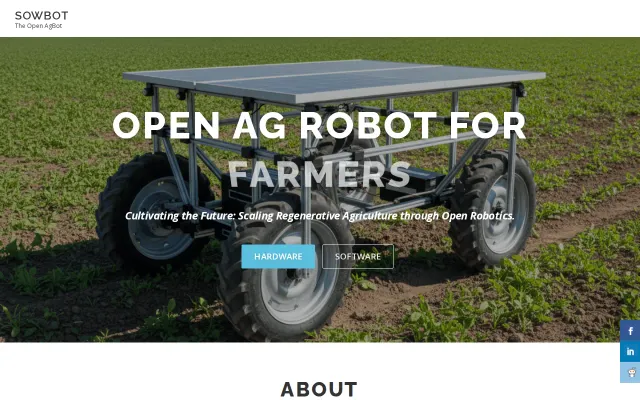
Open ag-bot closes the '18-month prototype gap' that kills agri-robotics startups.
Drop-in Rustls for Python ssl module, but 10% slower than OpenSSL.
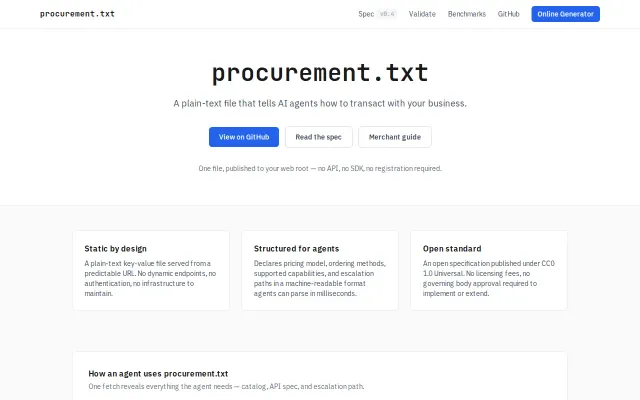
Robots.txt for purchasing agents cuts token usage by 6x compared to scraping.
Robots.txt for AI restaurant agents addressing real regulatory compliance needs.