AI/ML●●Solid
SkyClaw -Self-healing LLM agent runtime in Rust with task checkpointing
Checkpoint-based self-healing agent with Telegram CLI, but crowded agentic space.
Big BrainShip ItWizardry
nagi_builds
412mo ago
Ambitious personal AI agent on Solana, but 'shadow mode' MVP and BUSL licensing slow traction.
Privacy-conscious individuals; Solana users; people seeking personal AI sovereignty (early-stage community)
Anthropic Claude (agent architecture) · Solana-based identity projects
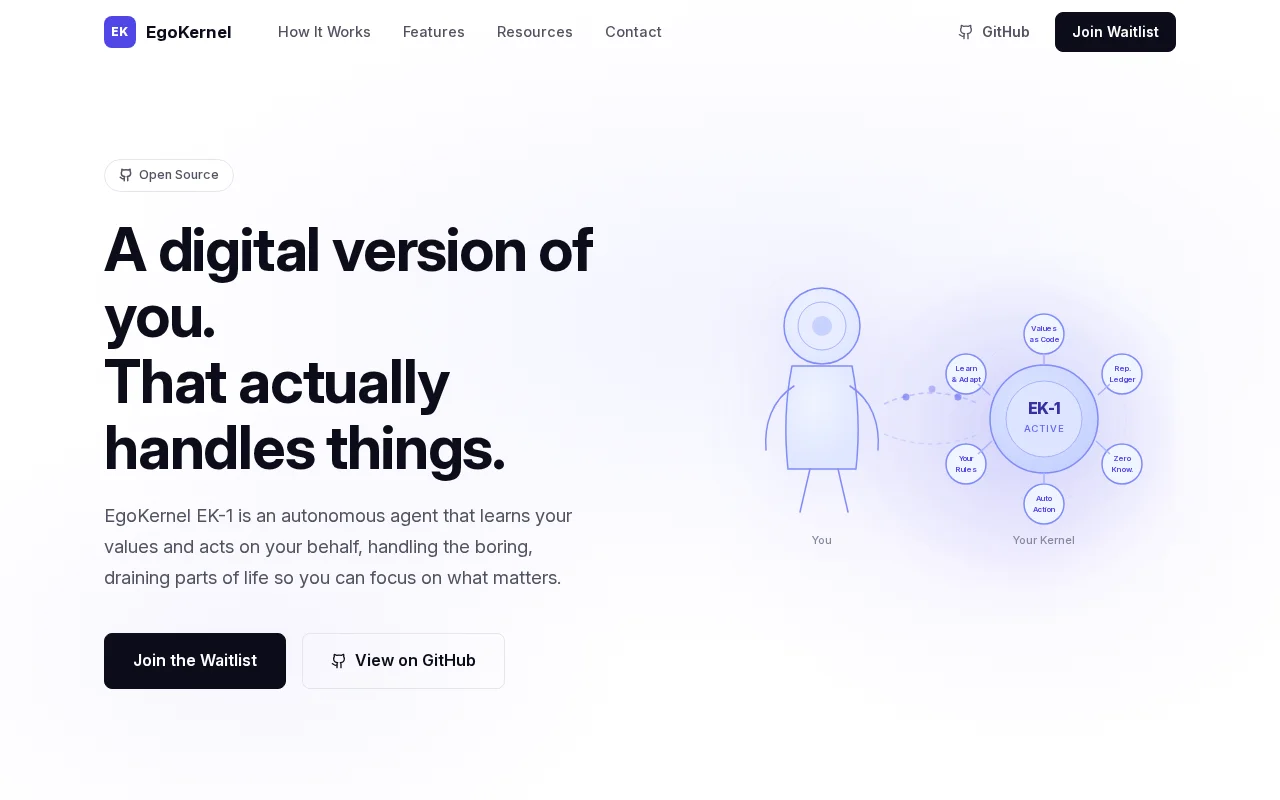
I’m building Ego-Kernel (EK-1). It’s an attempt to build a "Unitary Intelligence" - a single, local-first agent that manages your digital life, financial trades on Solana, and social reputation without your data ever leaving your enclave.
The Tech Stack:
The Brain (Go): A high-concurrency orchestrator running locally. It handles "Titan Handshakes" (P2P agent negotiations) and indexes your local life-data.
The Court (Rust/Anchor): An on-chain Reputation Ledger on Solana that makes "Social Honor" unforgeable and programmable.
The Shield (BUSL 1.1): I’m using the Business Source License to prevent the "Big Tech Vampirism" we saw in '24-'25. It’s free for individuals, but enterprises pay their share.
Why this is different: Most AI projects are trying to be the next big chatbot. I’m trying to build a protocol for cognitive independence. The system uses a "Value-Weighting Matrix" that you tune locally. If your stress (biometrics) is high or your bank balance is low, your agent's aggression threshold shifts automatically.
The Manifesto explains the "Soul Drift" problem and how we're solving it through graduated autonomy.
GitHub: https://github.com/EgoKernel/The-Protocol Manifesto: https://github.com/EgoKernel/The-Protocol/blob/main/Manifest...
Would love to hear your thoughts on the local-first approach and the staking-for-reputation model.
Checkpoint-based self-healing agent with Telegram CLI, but crowded agentic space.
The repo looks like an agent framework implemented in Rust (Cargo.toml, src, examples) with explicit Slack webhook and Claude integration notes — sensible if you want a Rust-native assistant runtime. It's low-star and the README/landing copy don't make the unique selling point clear, so buyers will need to dig into examples to judge whether it beats established Python/JS agent toolkits.
Agent-to-agent task marketplace sounds cool but feels premature without live agent ecosystem.
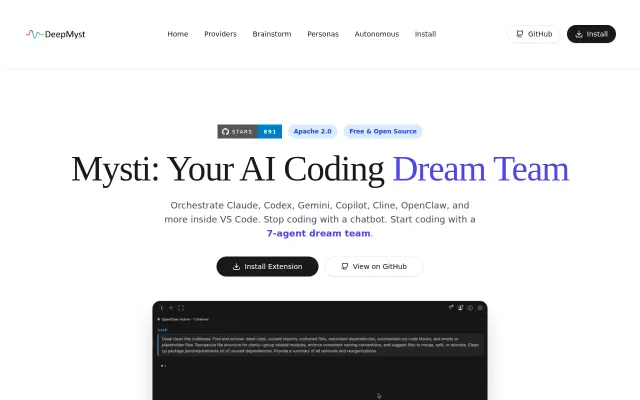
Mysti makes multi-model coding workflows tangible: you can inline-route tasks with @-mentions and have agents execute a pipeline where each one gets the previous output, plus auto-retries for failures. The OpenClaw daemon, WebSocket streaming, status-bar provider switching, and autonomous/semi-autonomous modes show this is more than a toy — it aims to make cross-model review and debate a practical part of your edit loop. The real test will be subscription/config friction and whether multi-agent noise actually improves real-world code quality, but the feature set is a smart, ambitious bet.
Claude-powered UI automation for macOS, but lacks concrete differentiator from Anthropic's own agents.
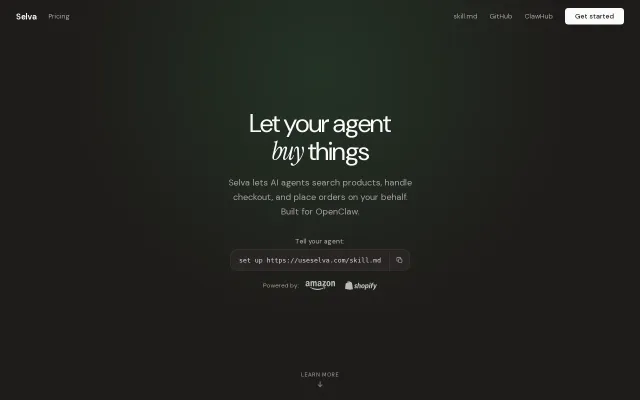
Agent shopping skill, but the real problem is agent security and shopping integration—already solved narrowly elsewhere.