Developer Tools●Mid
Opty – A Zig-based HDC that reduces token use by up to 90%
93% token reduction via HDC encoding, but claims unverified on large codebases beyond self-audit.
Big BrainWizardry
bojo
443mo ago
Glyphh HDC model for the Berkeley Function Calling Leaderboard (BFCL). Zero tokens, sub-10ms function routing.
HDC vector routing beats Opus at 1/40th the cost — deterministic, sub-ms, zero tokens.
ML engineers building function-calling systems, AI infrastructure developers
Gorilla · LangChain Tools · OpenAI Function Calling
93% token reduction via HDC encoding, but claims unverified on large codebases beyond self-audit.
TF-IDF on signatures beats vector embeddings for file retrieval without the infra overhead.
Teaches retrieval-ranking split that matters at scale, but it's educational scaffolding, not a product.
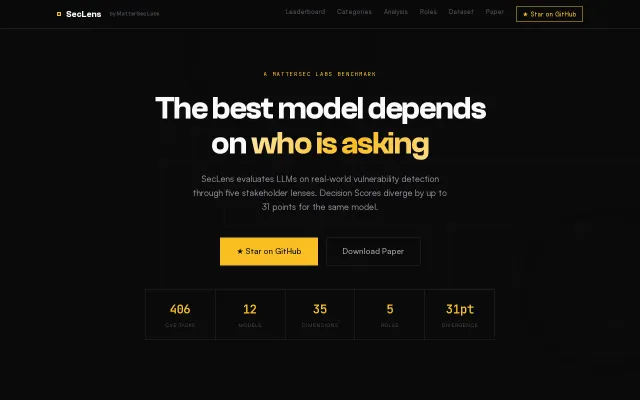
Stakeholder-weighted LLM security benchmark reveals 31-point score swings for the same model.
Transformer encoder without positional encoding beats Deep Sets for tag recommendations.
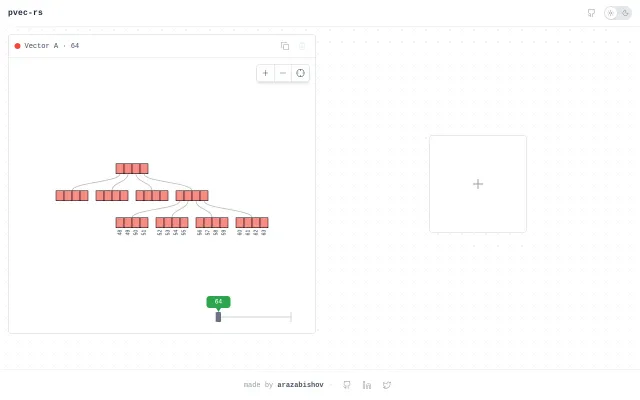
Dragging the timeline reveals how splits, concats and shared nodes evolve across versions, which makes an abstract data structure palpably understandable. Running the implementation in-browser via Rust→WASM is a neat technical demo, but it's primarily educational — more inline explanations or scenarios would make it genuinely useful beyond hobbyist exploration.