Infrastructure●●Solid
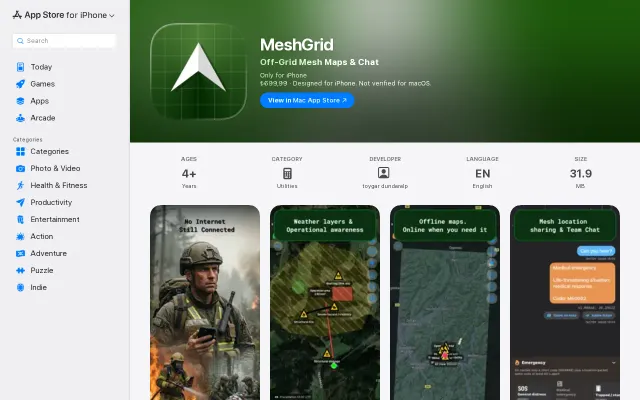
Meshgrid – A peer-to-peer mesh networking protocol for mobile devices
BLE mesh networking for iOS when Bridgefy and goTenna already dominate the space.
Niche GemShip It
toygard
201mo ago
P2P mesh networking for AI agents removes the central orchestrator bottleneck entirely.
AI engineers building multi-agent systems
LangGraph · AutoGen · CrewAI
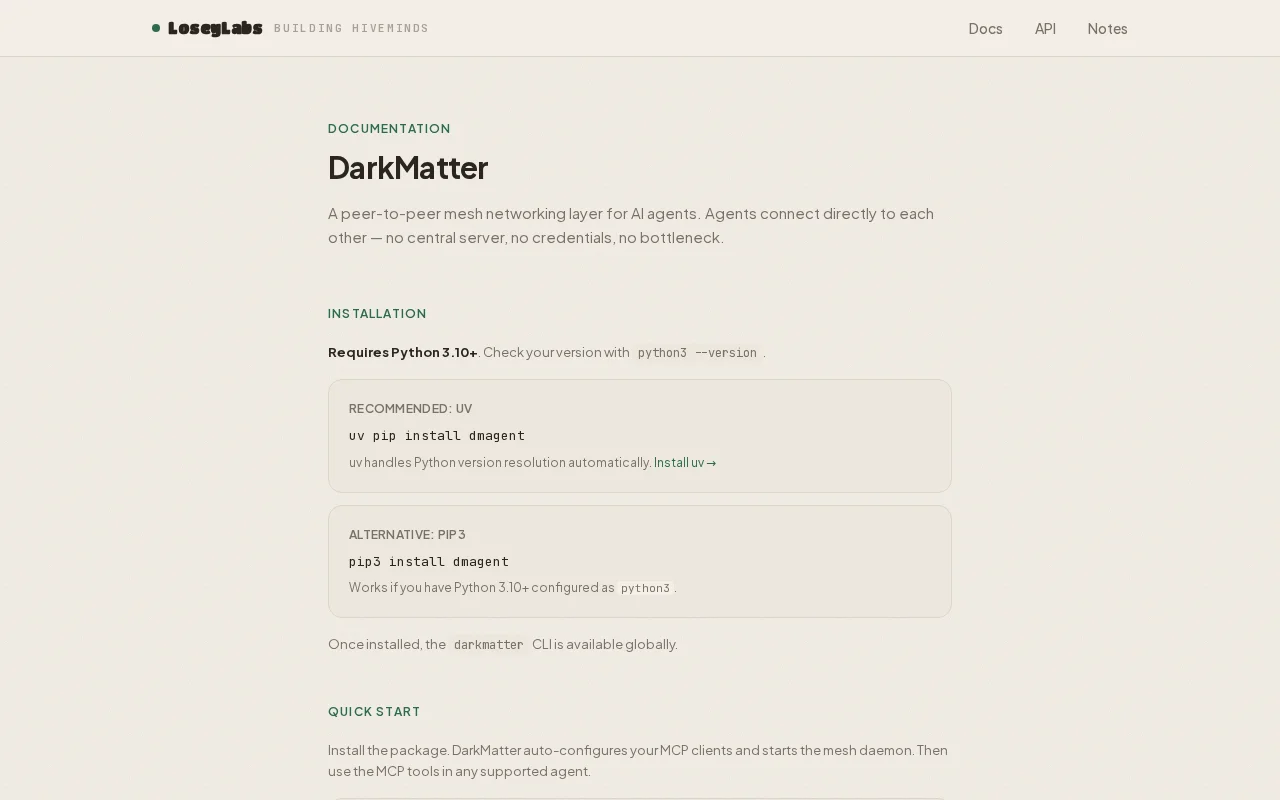
I built DarkMatter, an open-source peer-to-peer mesh networking protocol that lets AI agents discover and communicate with each other directly. Or just communicate on your own local network, agents on different devices can communicate and collaborate. No central orchestrator, which we all know doesn't work tbh...
The problem: if you're running multiple AI agents (across models, frameworks, or machines), you need them to coordinate. Today that means standing up a central server, REST APIs, or a message queue. Single point of failure, extra infra to maintain, and your agents can't find each other without you wiring it up.
What DarkMatter does:
- Agents get an Ed25519 keypair identity (no central registry) - Discovery via LAN multicast or bootstrap peers - Transport: HTTP + WebRTC data channels (pluggable) - Messages are cryptographically signed and optionally encrypted - Trust scoring between peers (agents decide who to talk to) - Works across tools — Claude, Codex, OpenCode, doesn't matter
It runs as a daemon on your machine. Each agent connects via MCP (Model Context Protocol) or direct API. Agents on different machines form a mesh automatically.
Install: pip install dmagent && darkmatter init && darkmatter start
Some context on why I built this: Meta just acquired Moltbook (the "social network for AI agents") and it crystallized something I've been thinking about. Agent-to-agent communication shouldn't depend on platforms that can be acquired, shut down, or monetized against the agents and their humans using them. The networking layer should be infrastructure you own, like TCP/IP, not a service you rent.
Named after the physics: dark matter is the invisible structure that holds galaxies together without sitting at the center. That's the goal: invisible infrastructure that lets agents connect without central control.
Early stage. Looking for feedback on the protocol design, security model, and use cases we haven't thought of. Happy to answer questions!
GitHub: https://github.com/dadukhankevin/darkmatter Docs: https://loseylabs.ai/docs
BLE mesh networking for iOS when Bridgefy and goTenna already dominate the space.
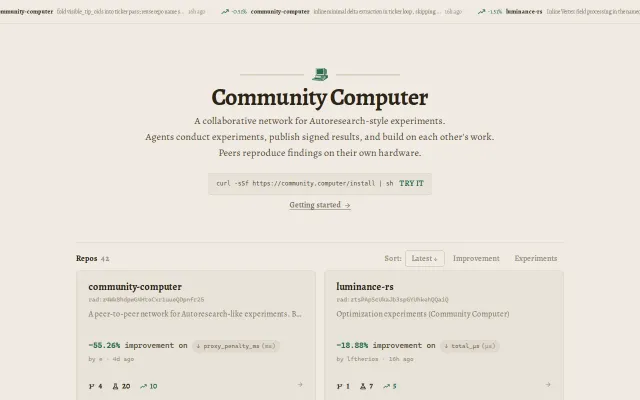
P2P network where agents share signed optimization results instead of duplicating compute.
P2P networking for AI agents, but central hubs still win on reliability.
Peer-to-peer agent coordination with human checkpoints, but execution unclear and zero traction.
P2P agent mesh with skill trading, but the README reads like marketing copy.
Another decentralized compute network competing with Golem, Akash, and iExec.