Developer Tools●Mid
Catio - AWS Diagrams and Architecture Copilot
Another AI architecture tool competing directly with established players like Lucidchart and Hava.
Bold BetSlick
sirmilesdu
2023d ago
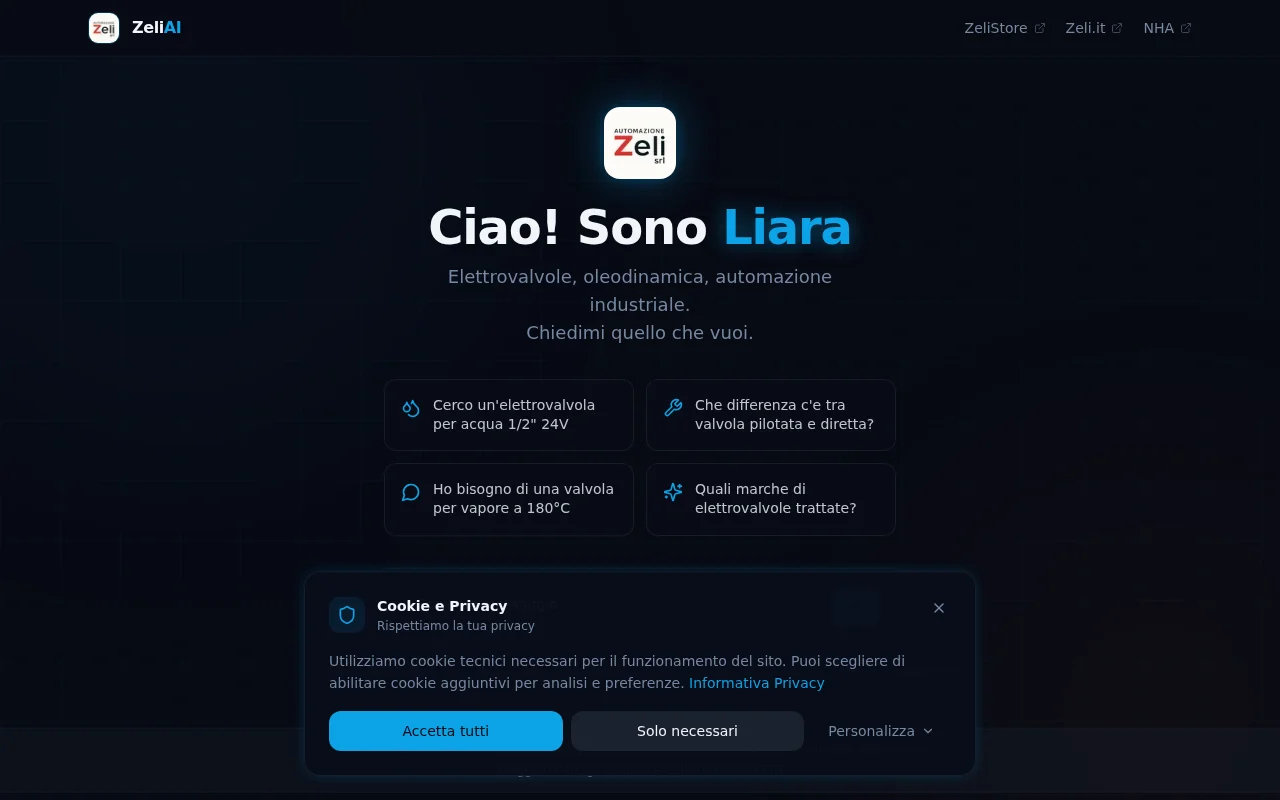
Industrial chatbot with circuit breakers, but still just a customer service bot at the end.
Developers building production LLM systems with tool orchestration
Intercom · Drift · Zendesk Answer Bot
The idea is that the model doesn't just answer questions but orchestrates tools and interacts with real application logic.
The architecture I'm currently testing includes:
Runtime
tool orchestration parallel tool execution loop detection circuit breaker / timeout guards token budgeting Context
context compression dynamic token ceiling Caching
deterministic LLM response cache semantic cache using pgvector Memory
short-term session memory longer-term semantic memory Evaluation
prompt evaluation set to test tool reasoning and failures I'm trying to figure out which parts are actually necessary in production and which ones are over-engineering.
For people building LLM systems beyond simple chat interfaces:
how do you handle tool orchestration? do you implement memory layers or just rely on context? are semantic caches worth it in practice? Curious to hear how others structure this.
Another AI architecture tool competing directly with established players like Lucidchart and Hava.
Clever resume gimmick but only useful for one person's portfolio.
Interesting diagnosis of AI statelessness, but six artifacts aren't directly accessible.
Resume chatbot is a polished MVP, but recruiters still take seconds—chat won't change that.
AI chatbot that simulates fatigue and silence instead of endless perky availability.
LLM governance framework, but early-stage spec with no working code—Phase 0 skeleton promised.