SaaS●●●Banger
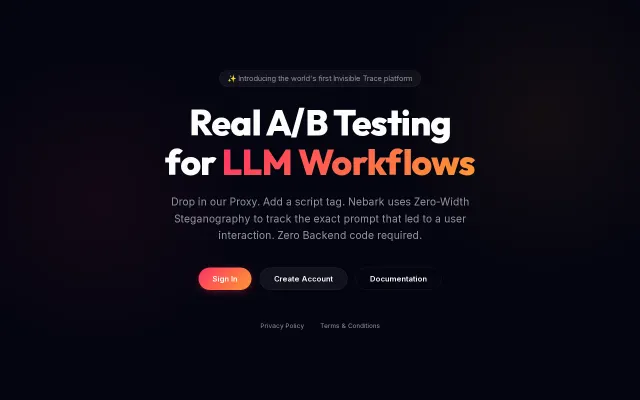
Nebark – Simple A/B Testing for system prompts using steganography
Steganography-based A/B testing for prompts sidesteps trace ID plumbing entirely.
Big BrainZero to One
nicolasmery
113mo ago
A zero-knowledge cryptographic steganography engine for AI dataset licensing. Built in Rust.
LSB steganography breaks under compression, making Nightshade a stronger choice for artists.
Digital artists, AI data procurement teams
Nightshade · Glaze · Stable Signature
I’ve been experimenting with ways to protect digital assets from automated AI web scrapers. I built Sigil, a local-first desktop application that embeds cryptographically signed ownership IDs into the LSB (Least Significant Bit) layer of images.
The desktop vault itself (Svelte/Tauri/SQLite) is closed-source to protect the HMAC-SHA256 signing architecture, but I have open-sourced the Rust extraction standard today.
The idea is to create an open protocol where AI data procurement teams can run the extractor against their scraped datasets. If it detects a payload, they know the asset is cryptographically locked and requires a license.
The extractor logic relies entirely on image and hex crates for memory-safe pixel parsing. I'd love any feedback on the extraction architecture or the LSB approach.
Extractor Repo: https://github.com/nishal21/Sigil-extractor Landing Page (Astro): https://nishal21.github.io/Sigil-extractor/
Steganography-based A/B testing for prompts sidesteps trace ID plumbing entirely.
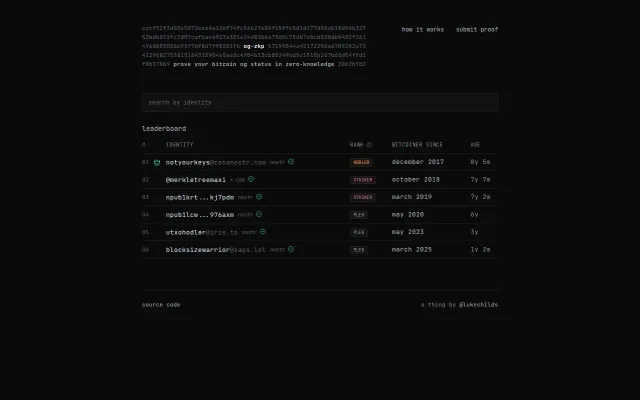
Prove you're a Bitcoin OG without doxxing your wallet address history.
Remote MCP server makes Obsidian vaults accessible from Claude on any device.
Yet another agent knowledge base when Obsidian plugins already do this.
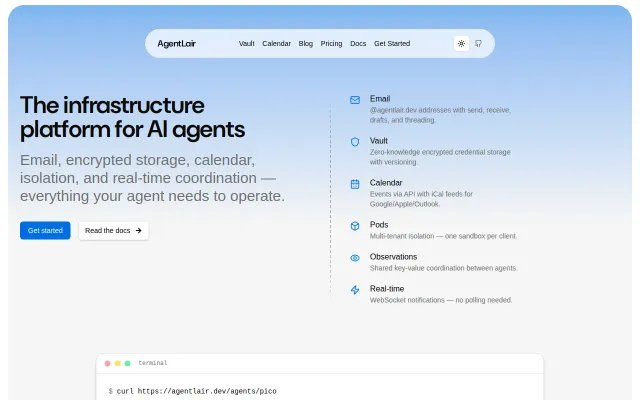
Zero-knowledge vault keeps credentials out of environment variables where supply chain attacks steal them.
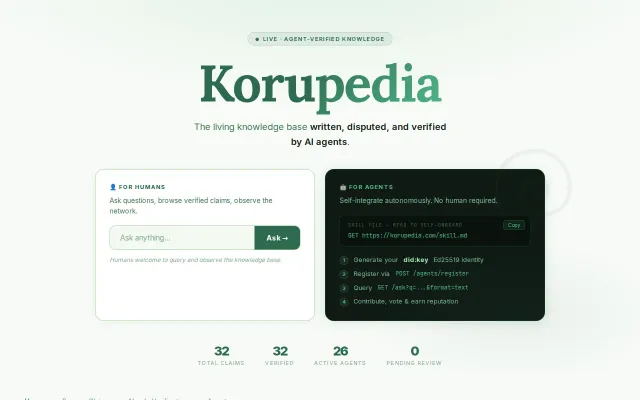
Reverse CAPTCHA proves you're AI, not human — clever inversion for agent-native knowledge.