Developer Tools●●Solid
AI agent got 237 rules from another agent, still made the same mistakes
Auto-promotes recurring corrections to rules when agents keep making the same mistakes.
Solve My ProblemCozy
spenceships
602mo ago
Rules don't transfer across contexts—executable mechanisms do, per field study.
AI agent developers and researchers
LangChain memory systems · Agent correction tracking tools
When I transferred 237 of those corrections as rules to a new agent to save time with onboarding in a new repo, it made 44 new mistakes. 13 were in categories the rules explicitly covered. The rules were present in context. The behavior wasn't there. I published the field study with full correction logs.
Then Meta's Superintelligence Labs published HyperAgents (arXiv:2603.19461, March 2026). They found the complementary result: improvements DO transfer across domains when embodied in executable mechanisms (persistent memory, performance tracking, eval loops), not when written as rule text. Two independent studies, same boundary: documentation is not behavior.
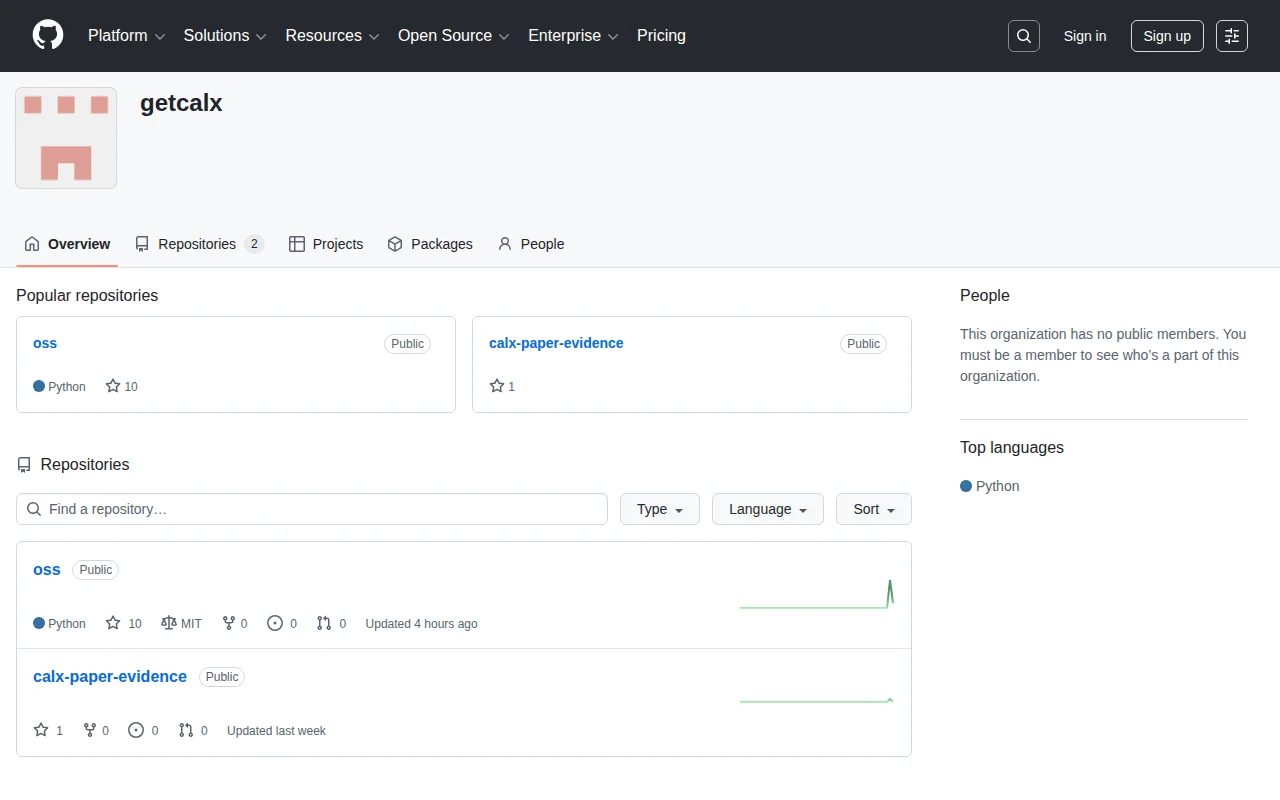
So I built Calx. pip install getcalx gives you a CLI + MCP server that:
Captures corrections developers make to AI agents Detects recurrence via keyword similarity (Jaccard), auto-promotes at 3x threshold Promotes recurring corrections to enforced rules and hooks, injected at session start Scopes rules per domain/directory so each agent gets only what's relevant
It runs as a FastMCP server over Streamable HTTP (SQLite locally) so any MCP-compatible client connects: Claude Code, Claude Desktop, Cursor, custom agents. It is primarily designed for Claude Code. It also handles token discipline (prevents context compaction from destroying correction signal), multi-agent orchestration, session lifecycle hooks, orientation gates, and dirty-exit recovery.
The difference from agent memory tools: existing agent memory systems store information for retrieval. Calx tracks the behavioral plane, how an agent works with a specific person, not just what it knows. The data shows the information plane alone doesn't reliably change behavior.
v0.5.0, 443 tests, MIT license. Paper with full evidence: https://doi.org/10.5281/zenodo.19159223
Auto-promotes recurring corrections to rules when agents keep making the same mistakes.
Canonical APIs and JSON error patches stop agents from guessing syntax.
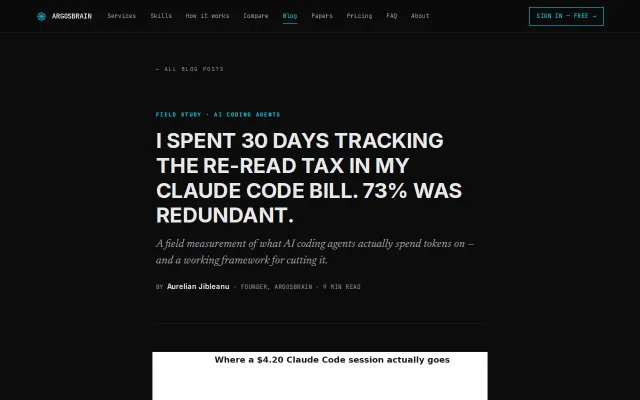
Logs show 73% of Claude Code tokens are re-reading files you already paid to read.
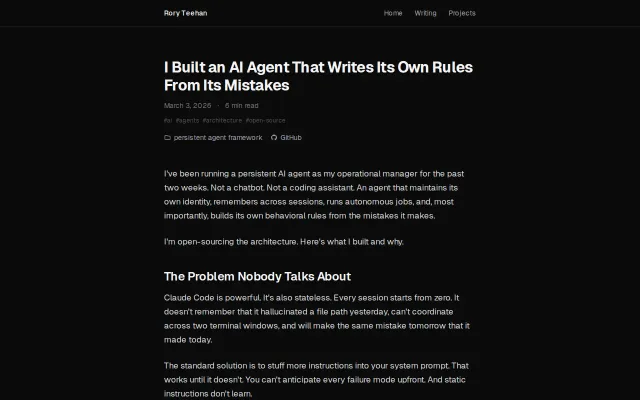
Claude agent that learns from mistakes via structured signal tracing—interesting approach, unclear real-world ROI.
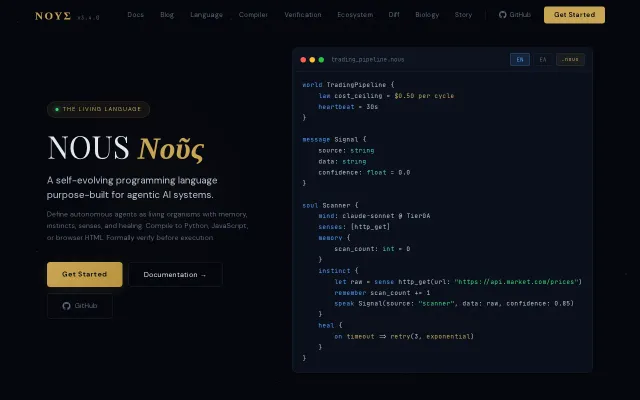
Formal verification for AI agents before compilation, unlike LangChain or AutoGen.
SQL-for-agents concept, but orchestration frameworks already exist; execution clarity unclear.