Finance○Pass
An Economic OS with a 16,200x Stability Floor (100M Monte Carlo runs)
100M simulations validate a policy manifesto, not a usable software tool or API.
Bold Bet
bedardbrandon89
103mo ago
Useful tool, but legal letter generators already exist from established players.
US consumers dealing with debt collectors
DoNotPay · LegalZoom · HelloSign
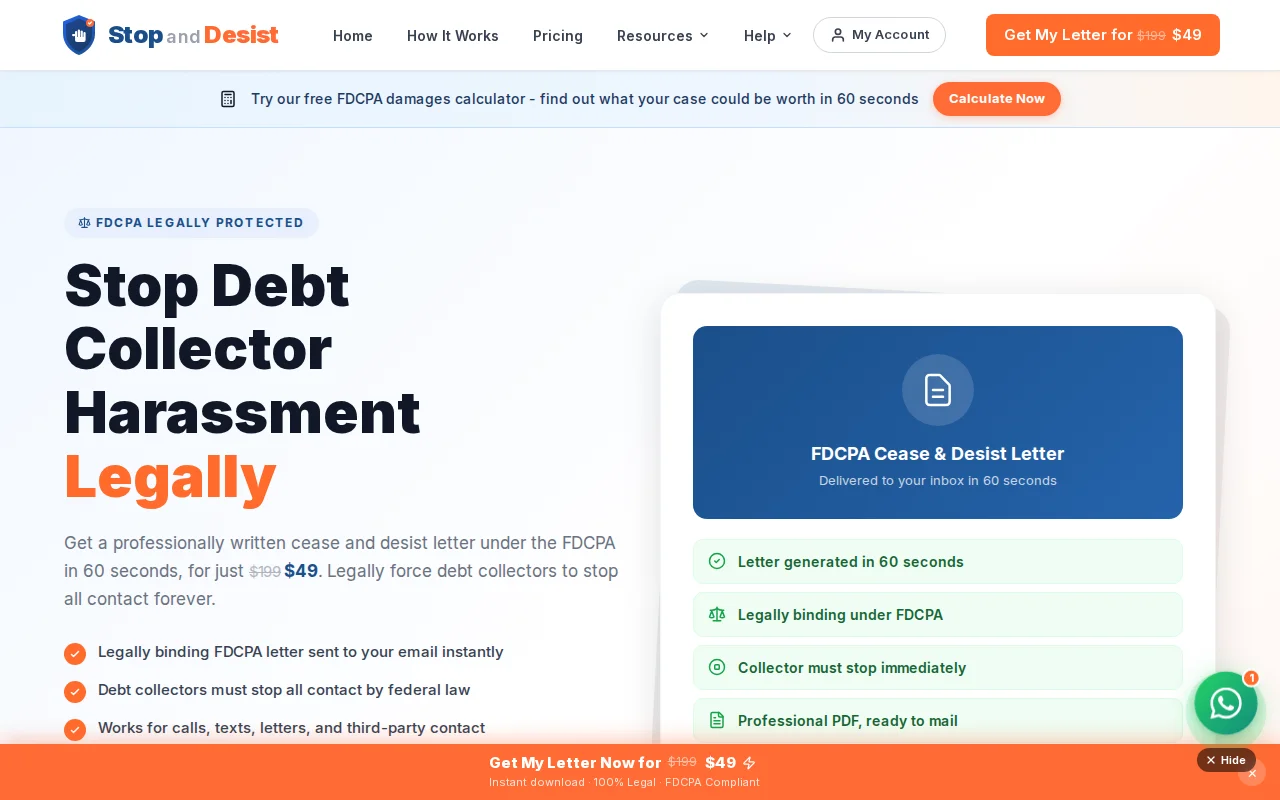
I built something that helps people in the US stop debt collectors from contacting them.
It’s based on the FDCPA (Section 805c). Basically, if you send a written cease and desist letter, collectors are legally required to stop contacting you.
I didn’t know this existed until recently. Apparently it’s been law since 1977.
The tool just asks a few questions and generates the letter in a format that’s ready to send.
There’s also a second part I found more interesting while building:
If a collector keeps contacting after receiving the letter, each contact is a violation. So I added a simple tracker where users can log calls/messages and it calculates potential damages.
It also exports a report that can be used if someone wants to talk to an FDCPA attorney (most of them work on contingency).
I’m not from the US (I’m based in India), which is partly why I noticed this. It felt strange that a law like this exists but most people dealing with collectors don’t seem to know about it.
Still early. There are probably rough edges.
If anyone tries it, I’d like to know:
where it’s confusing if the flow feels too long anything that reduces trust
Not a lawyer / not legal advice obviously.
100M simulations validate a policy manifesto, not a usable software tool or API.
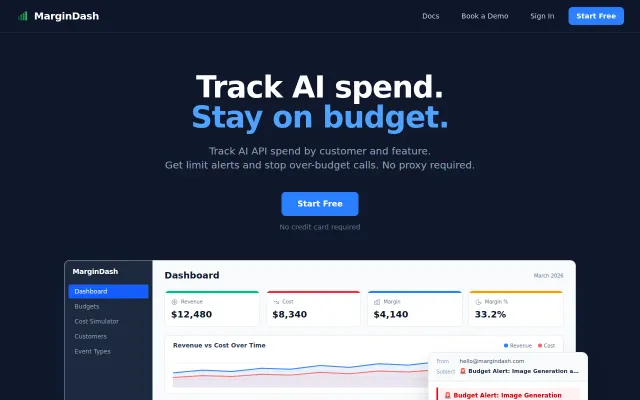
SDK blocks over-budget calls without proxying traffic through their servers.
Build-time summary generation beats runtime LLM calls for speed and cost.
Versioned code artifacts replace static LangGraph definitions for persistent runnable agent workflows.
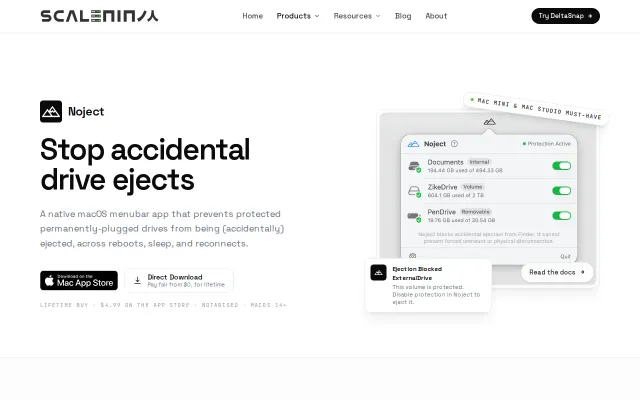
Single-purpose utility when Mountain and Ejectify already handle drive management on macOS.
LLMs operate pre-built UI components instead of burning tokens regenerating Chart.js every time.