Developer Tools●Mid
Using classic dev books to guide AI agents
Book principles as AI-agent prompts, but needs a working workflow to prove value.
Big Brain
ZLStas
323mo ago
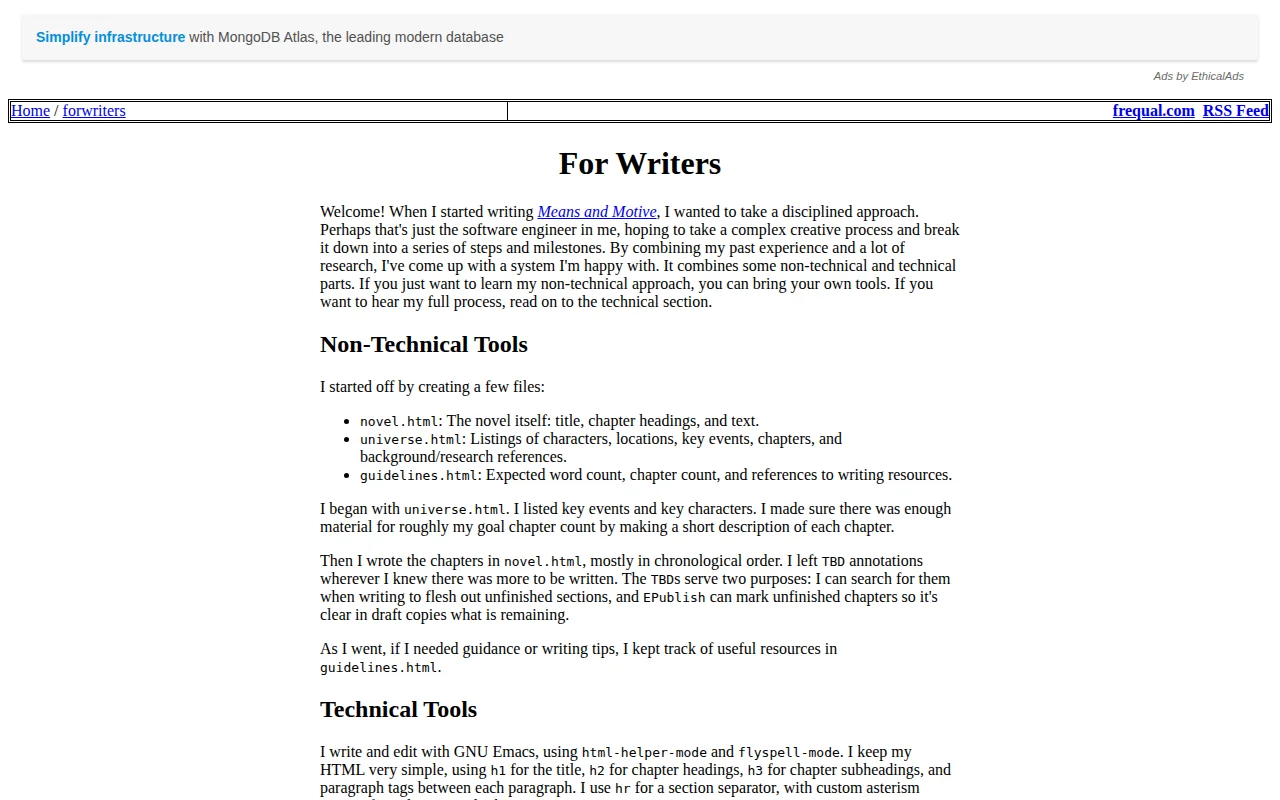
HTML-to-EPUB pipeline with TBD tracking is a clever workflow for technical writers.
Software engineers who want to write books
Pandoc · GitBook · Scrivener
As a software engineer, I approached writing like a software project. I used familiar tools (Emacs and HTML) for the primary writing.
I built my own tool (EPublish) to transform the HTML manuscript into an .epub file, the source for the ebook version. And I wrote shell scripts to reliably and repeatably transform the .epub version into PDF files for the printed editions.
I wrote 'design' and 'architecture' docs, describing the world, key actors, and timelines. I kept a task list of chapters and key scenes that needed to be written, in priority order. Along the way, I kept my files version-controlled so I could see the progress of the novel and edit mercilessly, without worrying about keeping old text around in backup files should I want it back for some reason.
If you've thought about writing a book, I highly recommend it. There are many similarities to the software engineering process. You'll also gain a newfound appreciation of the design, layout, and typesetting world, exactly how much work goes into each book you read.
Book principles as AI-agent prompts, but needs a working workflow to prove value.
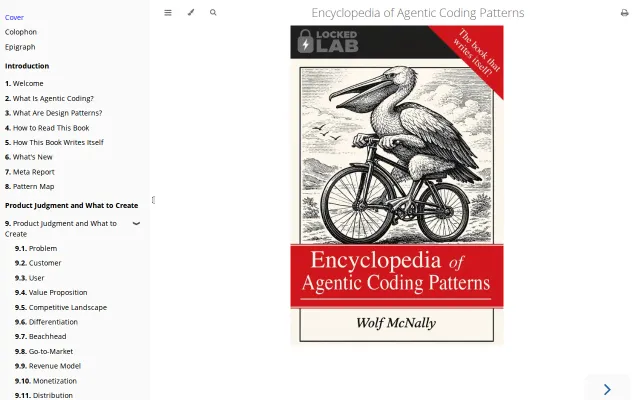
Self-writing book on agentic patterns that dogfoods its own subject matter.
Grounds AI code reviews in 12 engineering classics with book citations.
LLM-centric framing is smart, but curated guides already exist on HN weekly.
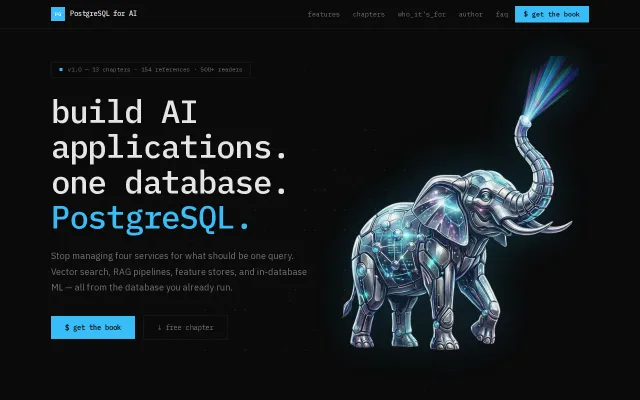
PostgreSQL-native RAG without external vector databases—smart consolidation, not novel architecture.
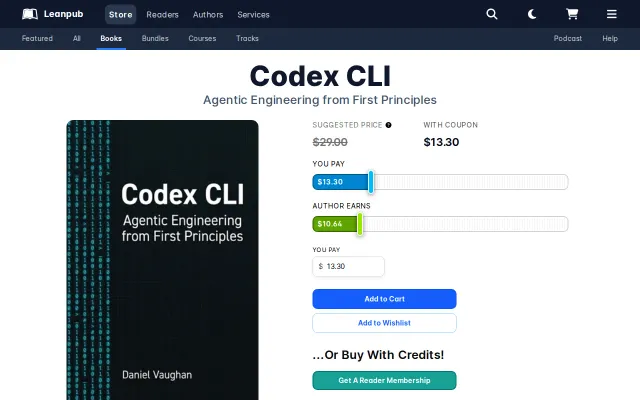
400-page Codex CLI manual covering MCP and hooks before official docs catch up.