Productivity●Mid
How to Kill the Dead Internet
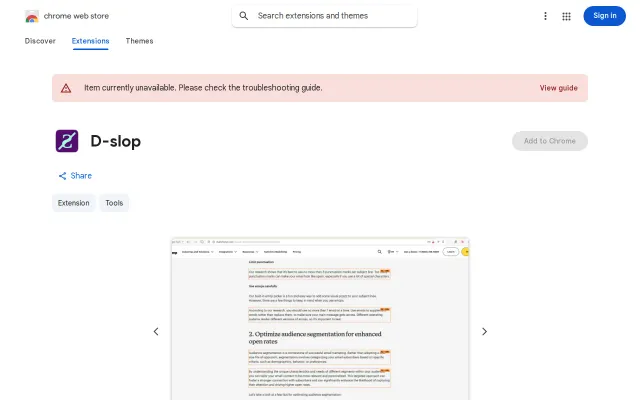
Phrase matching and sentence length detection for AI text, but C2PA media checks are weak.
Solve My ProblemBold Bet
bigger_fish
101129d ago
Planted phrase canary traps for AI crawlers when robots.txt already signals bot access.
Web developers, AI researchers, privacy advocates
Canary tokens · Honeypot traps
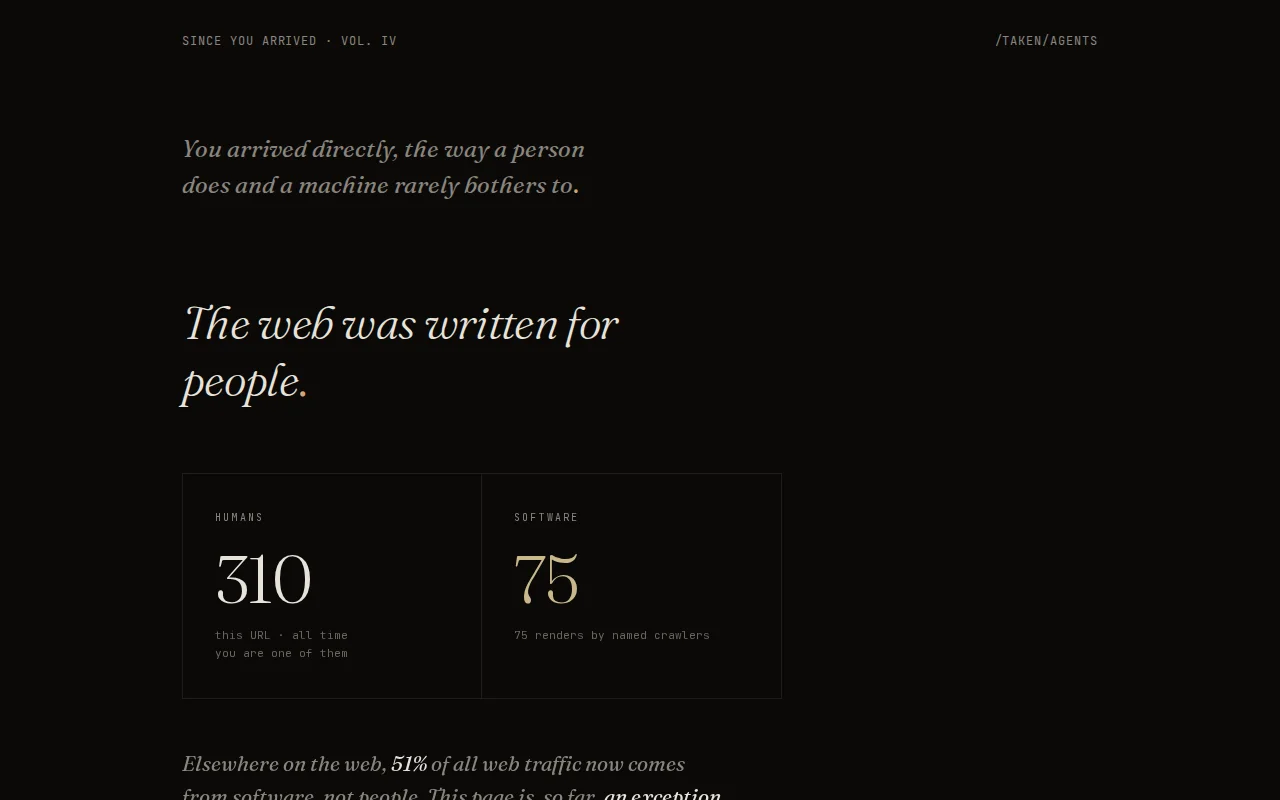
On my page, the there’s a planted phrase for AI. As the site gets crawled, you can see if this phrase is ever returned by any AI summarizing the page. So there’s a couple things you can do on my page:
1. Ask any AI to summarize the URL, and check if the planted phrase has been read. 2. Create a short-lived link and paste into any chat. You will see which crawler reads it first, before anyone ever actually opens or clicks on the link. 3. Generate your own planted phrase and leave it for the next crawler.
On this page, I also look at one example, composio.dev/hermes which serves a block of instructions specifically for AI agents. It’s not malicious, and it’s good marketing but shows that web pages can now be created and written for two very different audiences.
Phrase matching and sentence length detection for AI text, but C2PA media checks are weak.
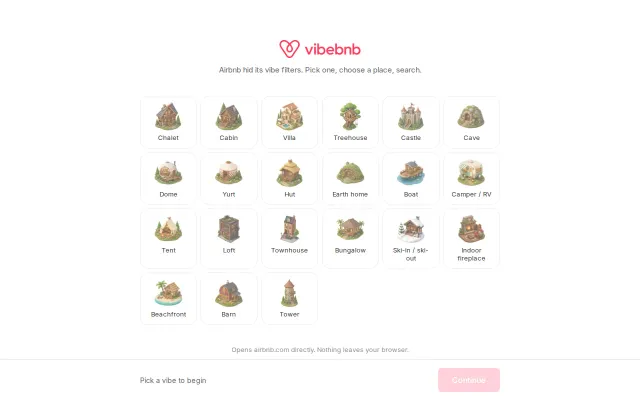
Recovered Airbnb's hidden GraphQL category params when they removed the UI.
Cute social wrapper, but jigsaw puzzles are a solved browser primitive.
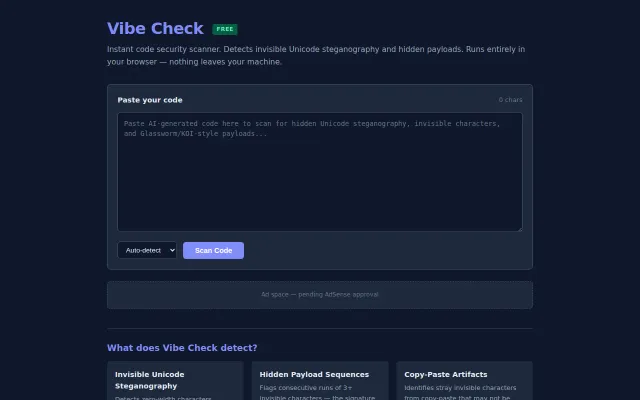
Client-side scanner catches Unicode steganography linters miss.
Real benchmark database for edge ML when most tools only guess at performance.
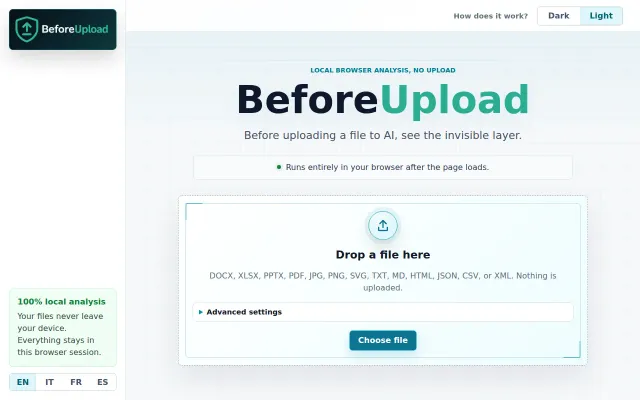
Local-only file scanner catches hidden metadata before AI ingestion.