Developer Tools●●Solid
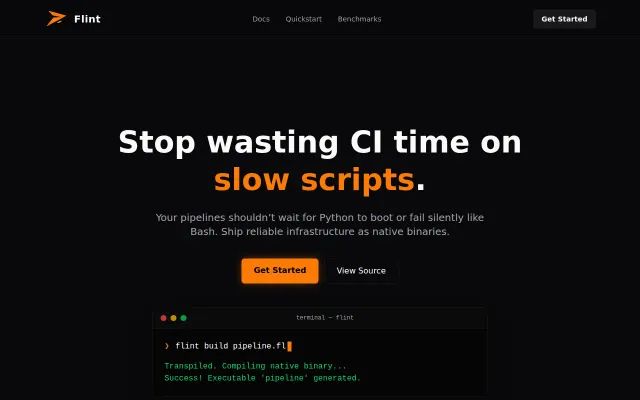
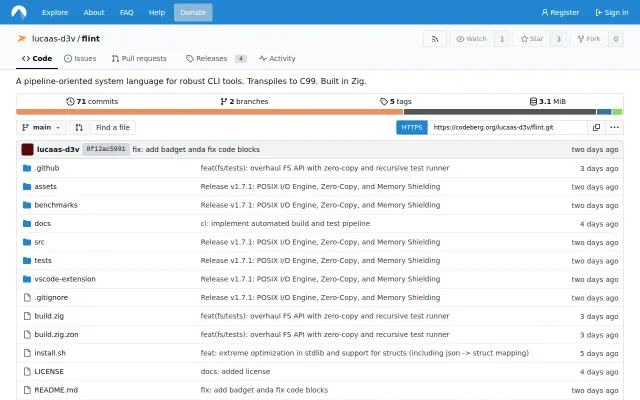
Flint – A compiled language to replace complex Bash scripts
Native binaries for CI scripts beat Python startup time without Rust verbosity.
Solve My ProblemShip It
lucaas-d3v
333mo ago
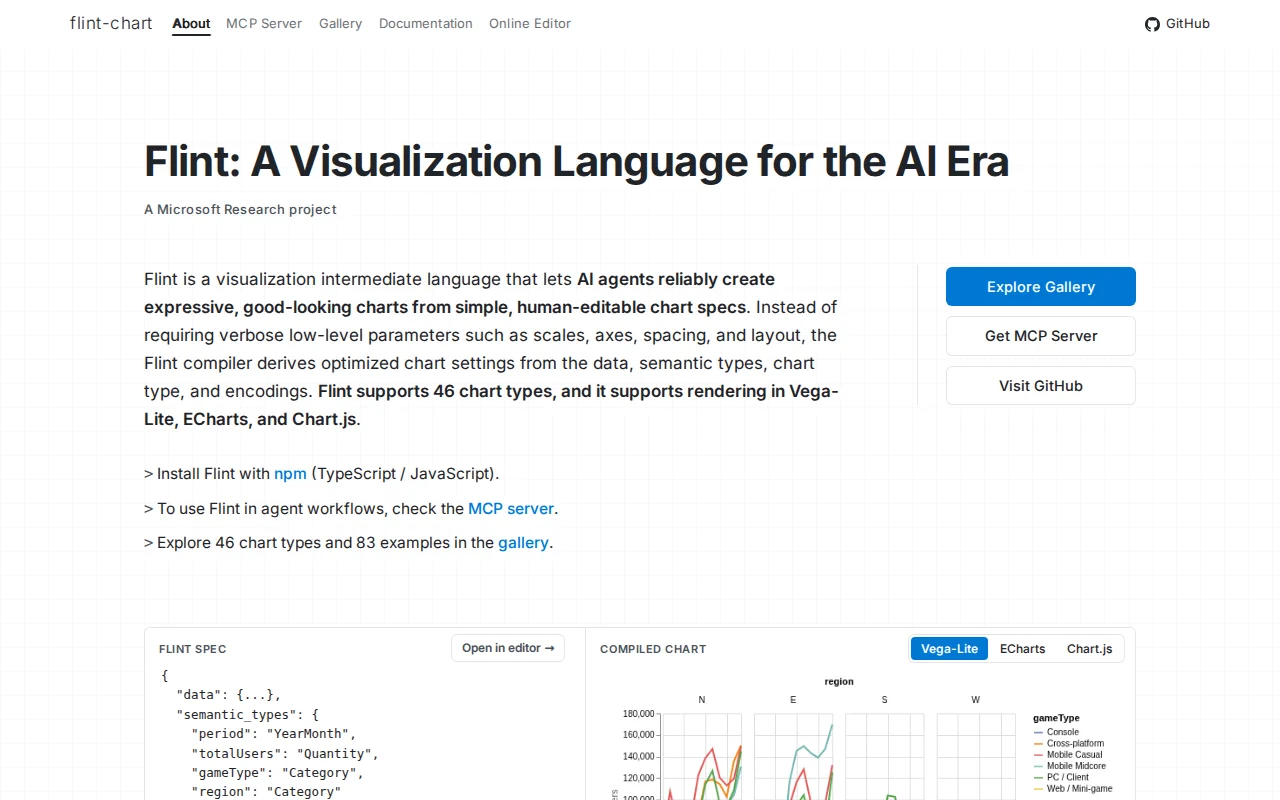
Semantic-type compiler solves AI chart reliability better than raw Vega-Lite specs.
Developers building AI agents that generate data visualizations
Vega-Lite · Observable Plot · Chart.js
But building AI agents that can generate visualizations reliably can be very tricky:
- simple chart specs can be reliable, but generated charts are often of low quality due to reliance on system defaults; - complex chart specs with explicit details can produce good-looking charts, but they are verbose and agents can struggle with reliability
We figured out it is a limitation on the language issue (not just AI capability thing) -- current visualization languages are a bit too low-level for AI agents, requiring them to explicitly make visual decisions that are supposed to be handled by a good compiler. Flint is a visualization intermediate language to address this issue, allow AI agents to solve this last-mile human-agent interaction problem. It provides a simple semantic-type based specification, and contains a layout optimization engine that can produce good-looking charts (filled with derived low-level details) from simple high-level specs. The result is also very human understandable and adaptable. Flint powers data formulator for generating visualizations (another open source project from microsoft https://data-formulator.ai/).
Flint is available open source, and we built a MCP server that you can directly plug flint in your favorite agent app to play with data.
Native binaries for CI scripts beat Python startup time without Rust verbosity.
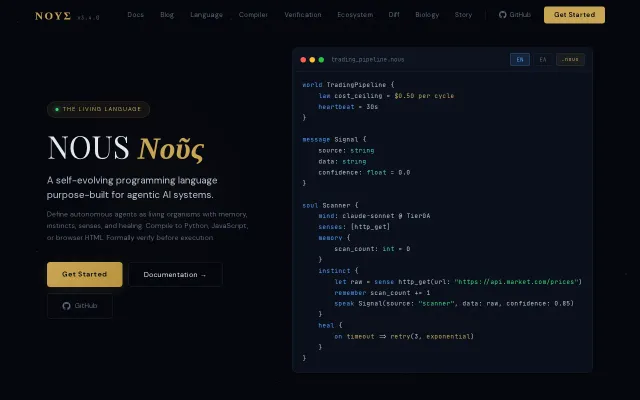
Formal verification for AI agents before compilation, unlike LangChain or AutoGen.
Zero malloc churn via 4GB mmap arena—clever, but adoption is the real battle.
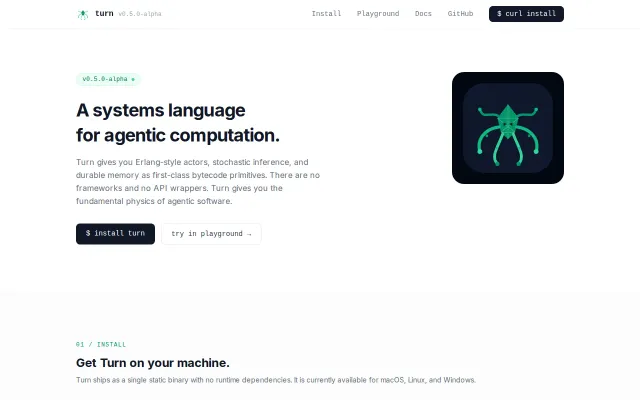
Language-level LLM primitives (infer, confidence routing) beat Python/TS framework soup.
Canonical APIs and JSON error patches stop agents from guessing syntax.
GitHub repo is Microsoft's Z3 theorem prover, not the claimed Sigil language.