Health○Pass
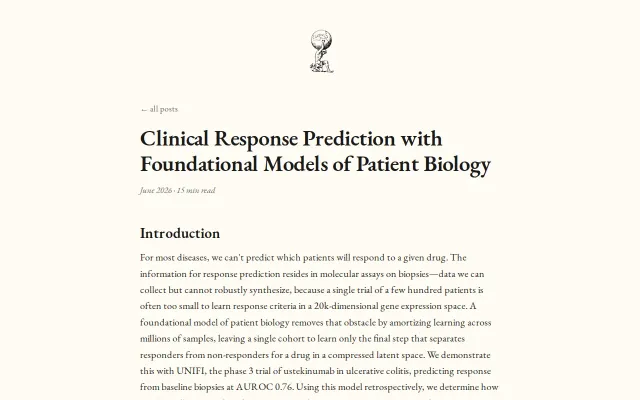
Foundation models that predict patient response in clinical trials
Blog post about clinical AI with no code, demo, or actual tool to evaluate.
Bold Bet
shaamilkarim
201mo ago
Make predictions over relational data with more power and scale than LLMs, exposed over a simple query language.
SQL-like syntax for foundation models beats XGBoost with minimal feature engineering.
Data scientists and ML engineers working with structured relational data.
XGBoost · Featuretools · H2O.ai
RelativeDB is an open source query engine built around the Relational Transformer architecture, developed by Stanford’s Tabular and Relational (STAR) Project. These models can adapt to new databases and prediction tasks using relatively little labeled context.
With some of my experiments, the results have been remarkable. On some tasks, RelativeDB can outperform XGBoost with only a small amount of relational context and no manual feature engineering.
So RelativeDB turns relational foundation models into something you can query (like this customer churn query):
``` PREDICT NOT EXISTS(orders.*) OVER (90 DAYS FOLLOWING) FROM customers ```
The engine finds the relevant context across the related tables and returns a prediction. The goal is to make questions like churn, demand forecasting, fraud detection, and recommendations feel more like database queries than bespoke ML projects.
Longer term, I think the optimizer should be able to choose between relational foundation models, fine-tuned models, and conventional approaches such as XGBoost depending on the query (how much graph-like context is needed vs just tabular features). Bridging ML to LLMs in a sane way.
I think there are markets for quantitive finance and utilizing emerging context graphs.
The project is early, and I would especially appreciate feedback on the query language and execution model.
RelativeDB: https://github.com/RelativeDB/RelQL Stanford RT-J: https://star-project.stanford.edu/rt-j/
Blog post about clinical AI with no code, demo, or actual tool to evaluate.
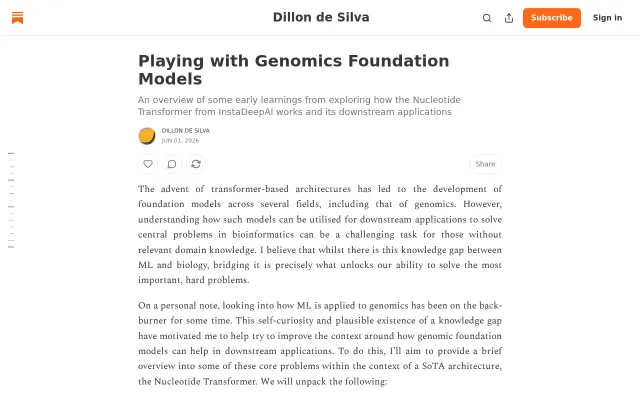
Educational article on genomics ML when blog posts masquerading as products should pass.
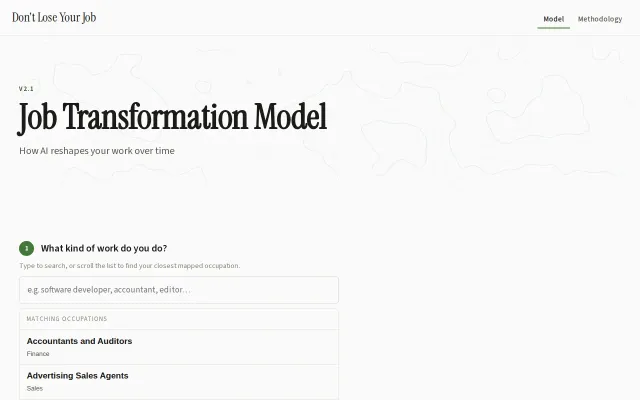
Task transformation framing beats simple job loss calculators, but methodology stays hidden.
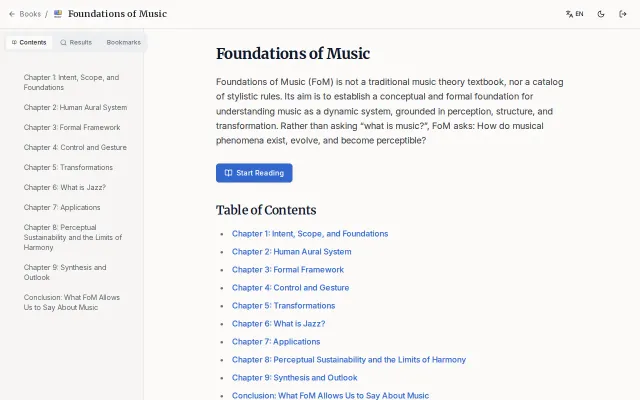
Music theory textbook focusing on perception and dynamic systems rather than rules.
LookML alternative that's been Google-backed for years without breaking through.
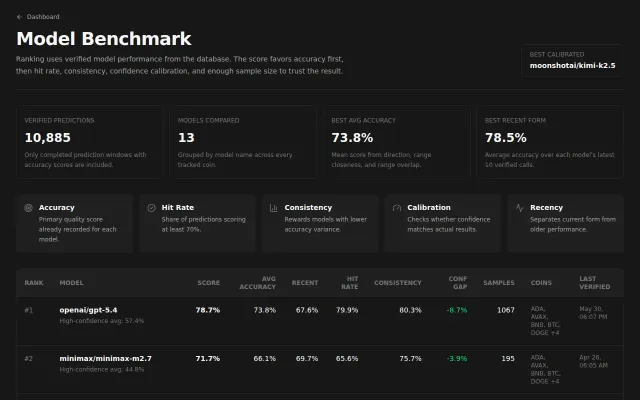
Polished dashboard tracking AI crypto predictions that fundamentally cannot work reliably.