AI/ML●Mid
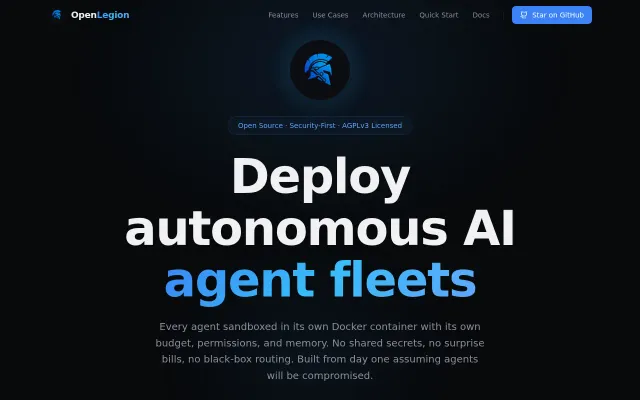
Stoic AgentOS - Open-source operating system for AI agent fleets
Yet another agent orchestrator in a field crowded by LangGraph and CrewAI.
Ship It
bk0
1027d ago

Attack surface monitoring for MSPs, but Shodan, Censys, and Qualys already own this space.
Managed Service Providers, enterprise security teams, IT consultants managing multiple clients
Shodan · Censys · Qualys
Live today: - Multi-tenant dashboard for risky IPs, services, and countries - IP-level context from CVEs, IoC signals, abuse reports, and open ports - One-command onboarding scripts (Windows, Linux, macOS) - Weekly digest generation and resend - On-demand port scanning on eligible plans
Not shipped yet: - PSA ticketing - RMM integration
Would love feedback on two things: 1) Are the risk scores understandable enough to prioritize action? 2) Which PSA workflow should we ship first?
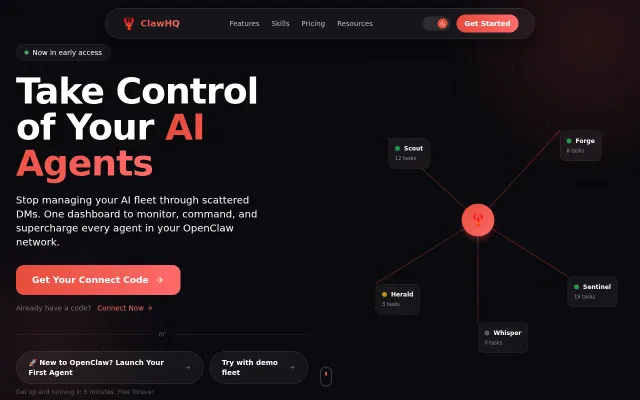
Yet another agent orchestrator in a field crowded by LangGraph and CrewAI.
Real-time fleet view with heartbeat monitoring, drag-and-drop task kanban, and a unified agent chat paired to a one-click skill store and 80/20 creator split — that combo is useful and not something you see everywhere. Practical execution looks solid from the UI, but the product’s reach depends on OpenClaw adoption and how comfortable folks are exposing gateway URLs and installing third-party skills.
Cyberpunk visuals are fun, but LangSmith and Helicone already do agent monitoring better.
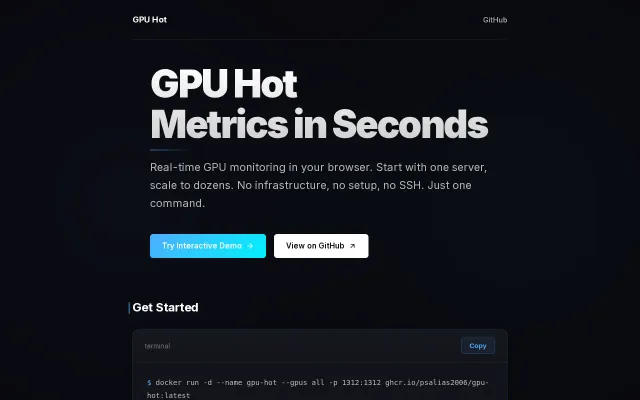
Shoots for zero-setup GPU visibility: one docker run spins up a service you open in the browser to see live NVIDIA metrics without Prometheus, SSH, or dashboards to configure. The UI and interactive demo show attention to UX and make it instantly useful for small clusters or single-node setups. It doesn’t reinvent observability — if you need long-term metrics, alerting, or enterprise integrations you’ll still reach for exporters + Grafana — but for lightweight, immediate GPU troubleshooting this is convenient and focused.
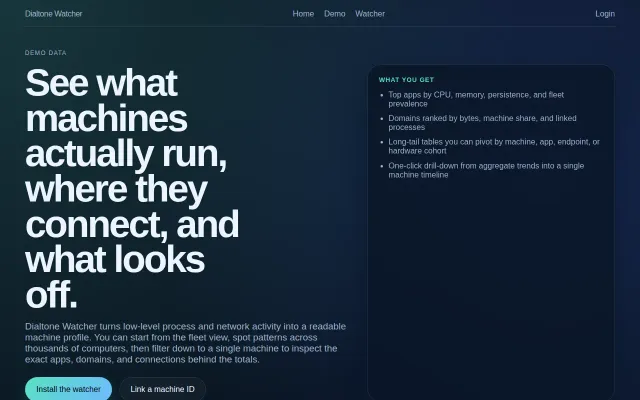
Fleet-wide benchmarking across 20k machines sets this apart from Activity Monitor.
Agent fleets in hardened Docker with per-agent budgets—assumes agents will be compromised.