Gaming●●Solid
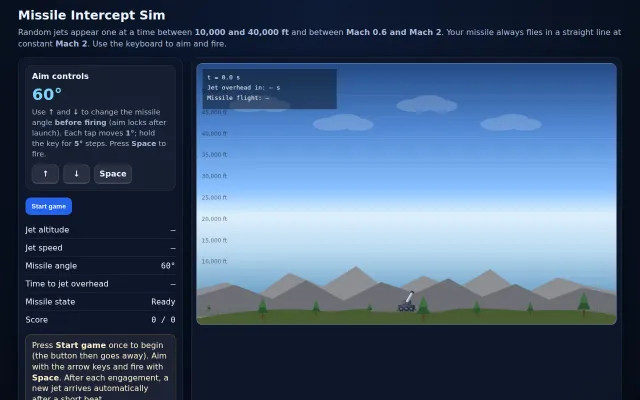
Missile Intercept SIM in Pure HTML/Canvas/JS
Browser-based missile intercept physics sim with zero dependencies and realistic Mach constants.
Cozy
nodesocket
212mo ago
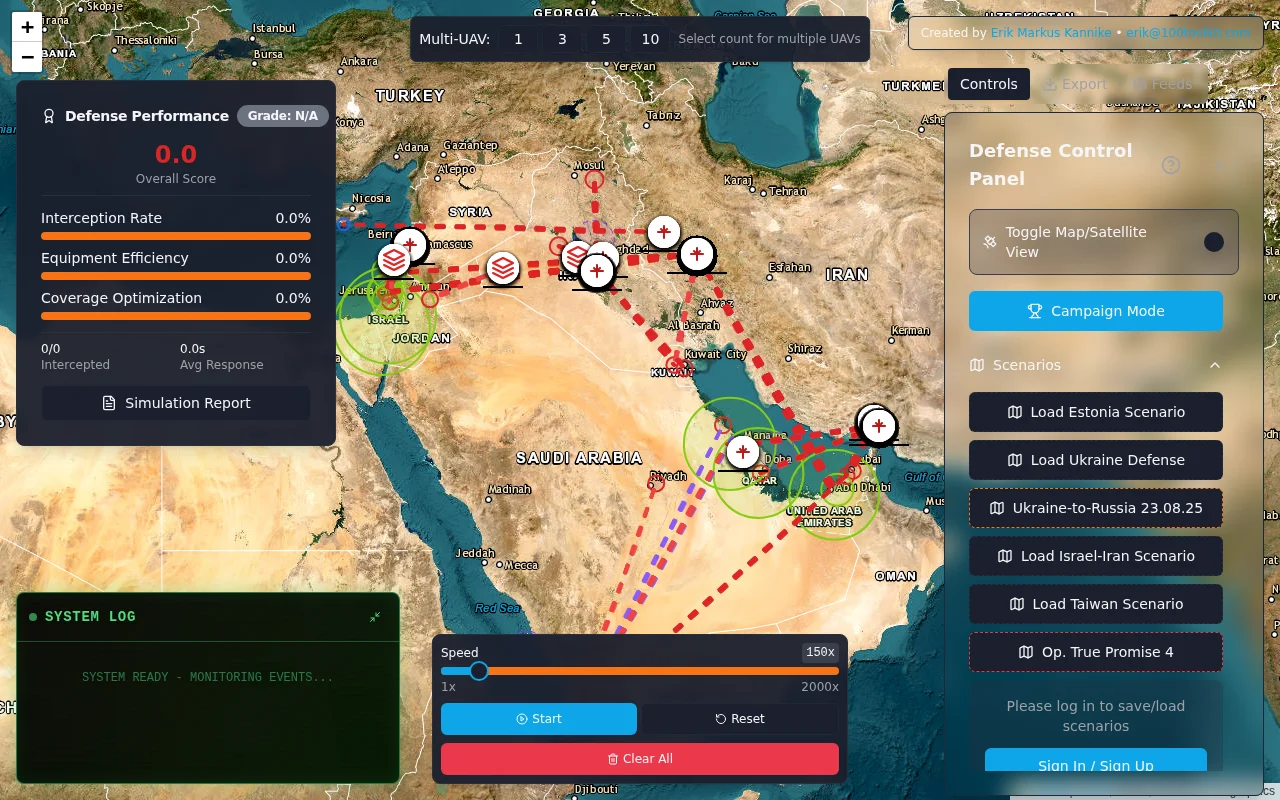
Real-time missile-defense physics sim in browser, but niche audience and novelty-first execution.
Military analysts, defense enthusiasts, geopolitics researchers, educators
Jane's Defense Weekly interactive tools · Military simulation games (Wargame Red Dragon) · DCS World
Browser-based missile intercept physics sim with zero dependencies and realistic Mach constants.
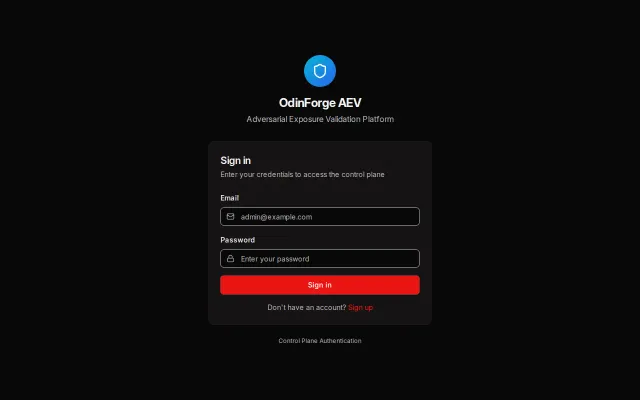
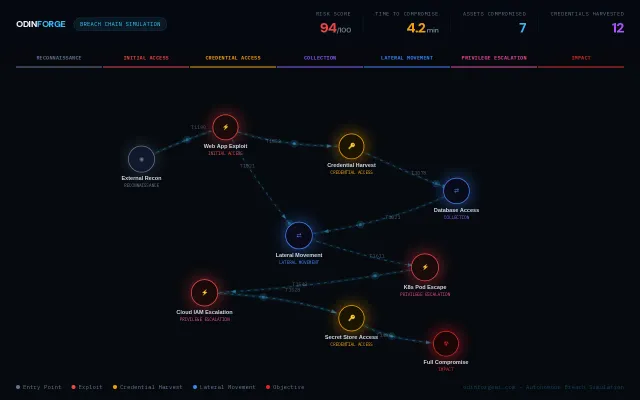
The selling point is sensible: turn individual vulns into chained attack paths so defenders can see realistic breach stories instead of isolated findings. Trouble is, the public surface is a gated sign-in with no demo, examples, or telemetry to judge how it models attacker tradeoffs or integrates with scanners and SIEMs. Visually the control-plane login is clean and modern, but the product's differentiation against established attack-simulation vendors is unclear from the page.
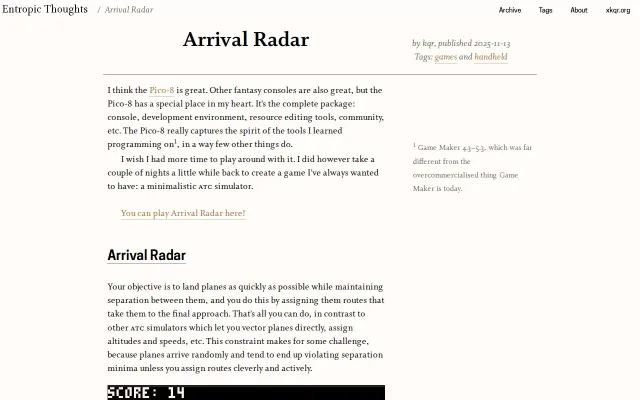
Single agent lands 6+ planes simultaneously using GPT-4o-mini. Collision avoidance works.
ATC routing puzzle stripped to essentials—constrained design creates genuine challenge.
The UI turns complex attack chains into an immediately scannable graph with per-path metrics (risk score, time-to-compromise, assets/credentials impacted) — great for threat modeling and tabletop drills. Feels more like a very polished BAS visualization than a novel research tool; what I want to know next is where the simulation inputs come from (real telemetry, vulnerability feeds, or canned scenarios).
Actual thermal and ridge lift modeling sets this apart from arcade flight games.