AI/ML●●●Banger
Physics-accurate 3D assets for robotics simulations from any input
Adds mass and density to meshes when most 3D tools only do visuals.
WizardryNiche GemSolve My Problem
uguryekta
861mo ago
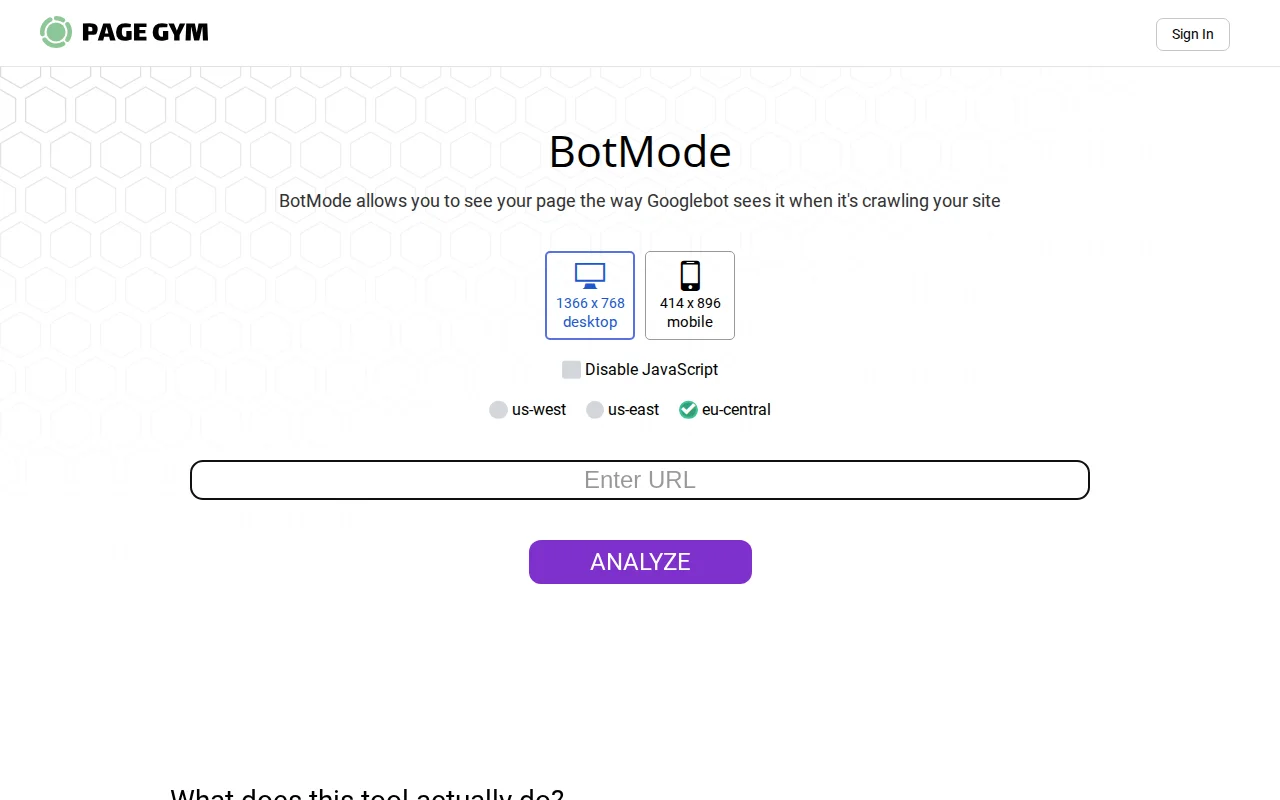
This isn't a generic SEO scanner — it actually simulates Googlebot-style fetching by honoring robots.txt for third-party resources and flags when the 2 MB HTML/resource cutoff might break rendering. That's a sharp, practical diagnostic for sites that silently lose indexable content because a CDN or third-party script is blocked. Note: it uses its own UA rather than Googlebot's, so it's a powerful approximation rather than a literal replay of Googlebot's network behavior.
Technical SEOs, web developers, site owners, webmaster/DevOps engineers
I made this tool that's built on top of the main PageGym analyzer, which respects the robots.txt files of all the resources on your site in the same way Googlebot would, and can also enforce the 2 MB HTML and resource limit that Google recently revealed through their documentation.
The idea is that if you're depending on scripts or some other resources which are loaded from a third party location, then access to them is governed by the robots.txt file of that third party, so if they're blocked and they happen to be required for rendering parts of your content, then your page might not get indexed correctly.
The same thing can happen if you're hitting the 2 MB limit for HTML or scripts. Yes quite a few websites seem to have this issue: https://pagegym.com/blog/2mb-googlebot-limit#stats
For the 2 MB thing it initially issues a warning if it finds any violations (this is actually part of the main tool), and if you have any you can turn on Trim mode in the reanalysis options to actually truncate the files.
Note: The reported timings are affected by robots.txt fetches, so don't rely on them. If you want proper load behaviour analysis use the main tool.
Adds mass and density to meshes when most 3D tools only do visuals.
Robot arm kinematics in Excel cells — no code, just formulas and Solver.
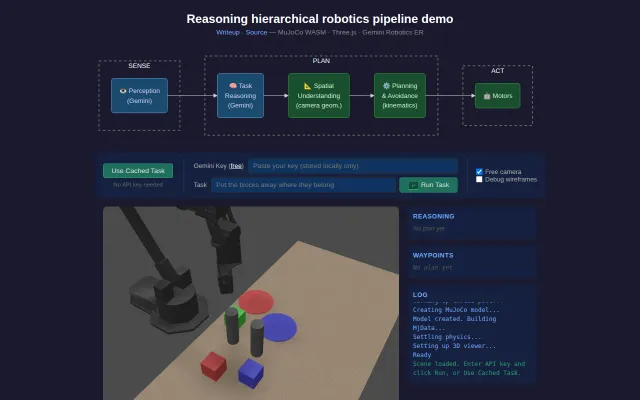
MuJoCo physics meets Gemini reasoning entirely inside your browser tab.
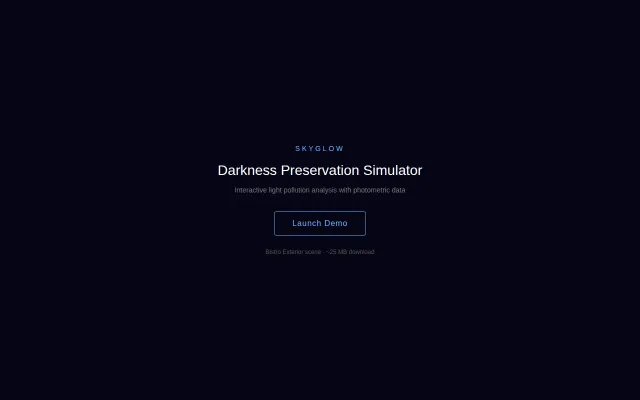
Real LDT files driving live sky-glow grades in a browser — that's genuinely wild.
Generates realistic fleet GPS data for staging without real vehicles.
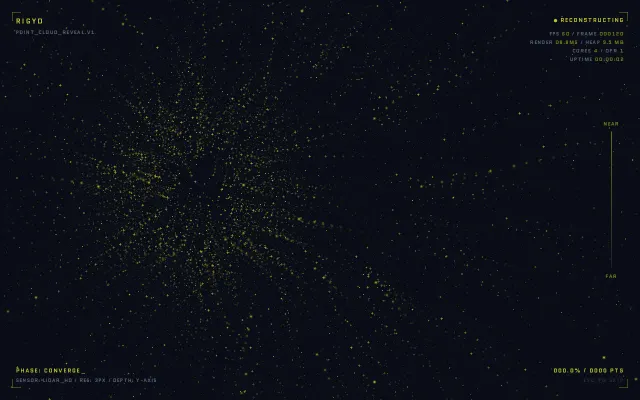
The repo actually implements an RK4 geodesic integrator in CUDA kernels to trace millions of rays and produce frame sequences — plus handy scripts to generate a Perlin accretion disk and preprocess NASA EXR star maps. It’s the sort of technical playground that shows real GPU know‑how and produces striking renders, but the experience is experimental: you must manually fetch assets, run preprocessing scripts, and there are no builds, benchmarks or accuracy notes to help anyone reproduce or compare results.