Developer Tools●●Solid
LLM-costs – Compare LLM API costs from terminal (npx, zero install)
Quick terminal cost compare—but pricing dashboards (Anthropic console, OpenAI API usage) already do this.
Solve My ProblemCozy
followtayeeb
203mo ago

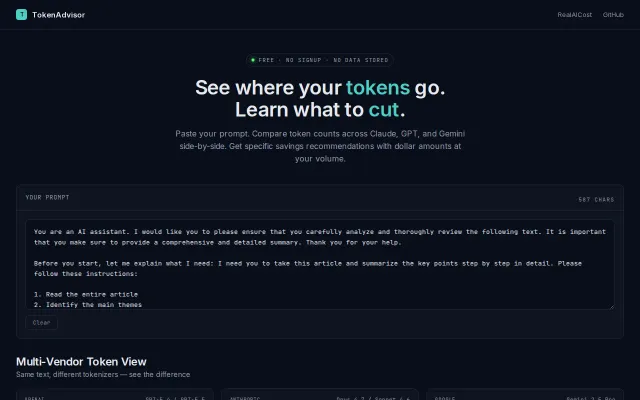
Multilingual tokenization comparison across Arabic, Chinese, French that LangSmith ignores.
LLM developers and prompt engineers
LangSmith · Arize Phoenix · Helicone
Quick terminal cost compare—but pricing dashboards (Anthropic console, OpenAI API usage) already do this.
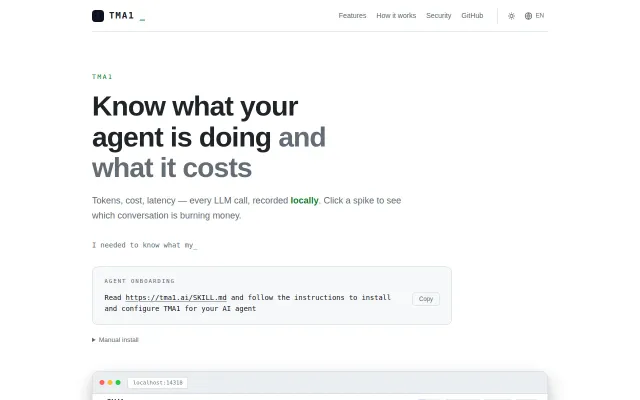
Local-first agent observability without cloud signup — LangSmith alternative that keeps data on your machine.
Multi-vendor token comparison with specific cut recommendations and dollar savings at scale.
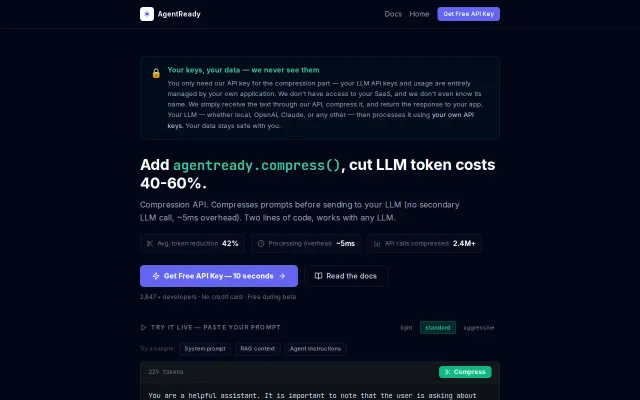
Prompt compression cuts token costs 40-60%, but prompt optimization isn't new.
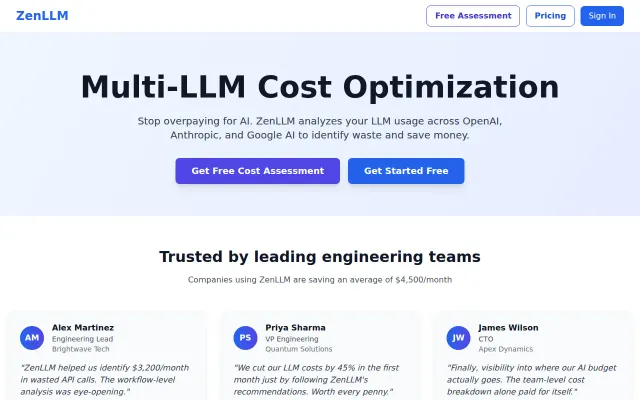
The read-only correlation of request → model → token → $ is smart — you get a shot at answering 'why did our bill spike?' without routing traffic through a proxy. It also claims workflow-level analysis (long prompts, retries, agent loops) and concrete recommendations like model routing and context trimming; useful, but the pitch leaves open how reliable the heuristics and team-attribution are across providers.
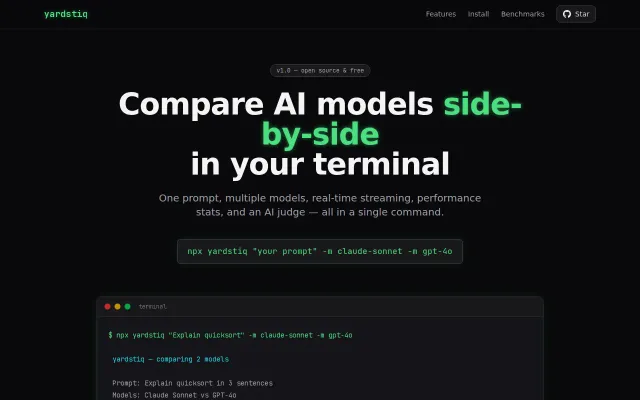
One-command model comparison with real-time streaming and performance metrics beats tab-switching.